24/7 Emergency Line Open
Toilet, Faucet, Shower and Sink Repair for Meridian Homes
(208) 285-8836Stop the drip, the run and the leak under the vanity.
- Licensed and insured plumbers
- Same-day service when available
- 24/7 emergency dispatch
Small fixtures cause big bills when they are ignored. A running toilet wastes water around the clock, a dripping faucet wears out its seat and a slow leak under a vanity rots the cabinet floor. Most of these jobs are quick, and a plumber who comes with parts for the usual faults can often finish in one visit.
Before you call, shut off the fixture's own supply valve if it has one, which stops the water without touching the rest of the house.
Shower valve, head and leak repair
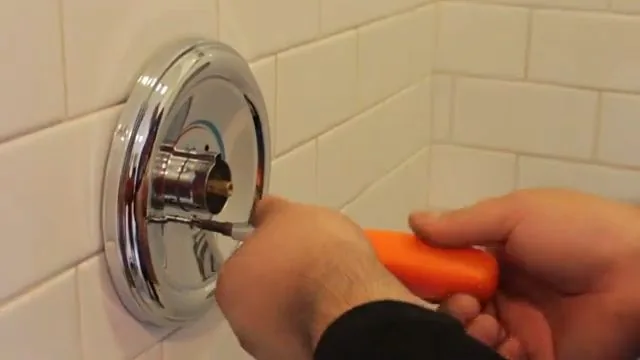
A shower that drips after it is off usually has a worn valve cartridge. A shower head with weak or uneven spray is often clogged with mineral scale, which Meridian's water leaves behind. The city reports an average hardness of 7 grains per gallon, enough to coat aerators and shower heads with white crust over time. Soaking a head in vinegar often clears it, and a stubborn one gets replaced.
| Symptom | Common cause | Usual fix |
|---|---|---|
| Drip from the spout after shutoff | Worn cartridge or seat | Replace the cartridge |
| Water too hot or cold, then swings | Failing balancing or mixing valve | Replace the valve cartridge |
| Low flow from the head | Scale in the head or a partly closed stop | Descale or replace the head |
| Stain on the ceiling below | Leaking valve body or tile joint | Test, then repair the valve or the surround |
Faucet repair: drips, stiff handles and low flow
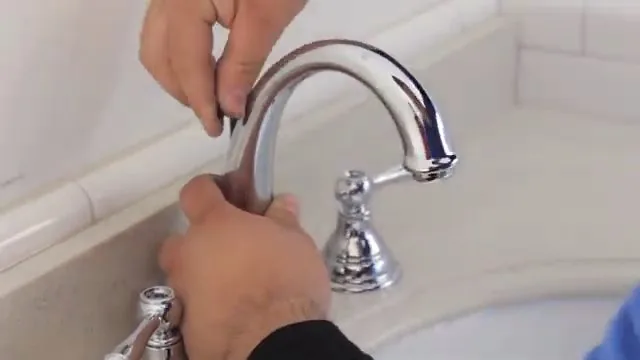
Faucets fail in a short list of ways. A drip from the spout means a worn washer, seat or cartridge. A leak around the handle points to a worn O-ring. Reduced flow can be a clogged aerator, a partly closed supply valve or mineral build-up inside the cartridge. Whether to repair or replace depends on the faucet's age, parts availability and how the finish has held up.
- Unscrew the aerator and rinse out debris, which fixes many low-flow faucets.
- Check that both supply valves under the sink are fully open.
- Note the brand and finish, which helps the plumber bring the right cartridge.
- Photograph the faucet underside before the visit.
Street pressure varies across Meridian, and the city quotes a span of 50 to 80 PSI, so a fixture at the high end of that span works harder than one at the low end. A faucet that wears quickly in a high-pressure area can be a sign that a regulator deserves a look, which the water line guide explains.
Leaking fixture?
Close the fixture's supply valve and phone dispatch. Describe what the fixture is doing and which room it is in.
Kitchen sink: faucet, sprayer, drain and supply lines
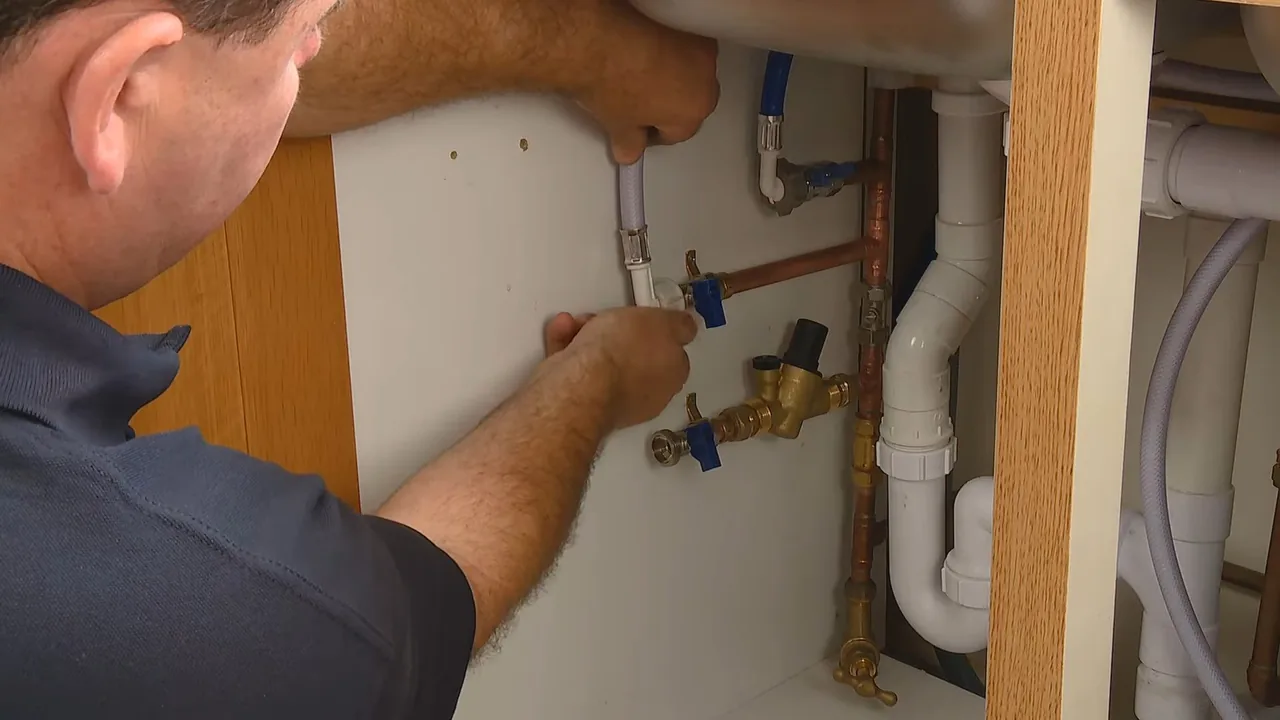
The kitchen sink carries the most use, and the parts under it show it. Sprayer hoses split, supply lines corrode at the connection, and the basket strainer seals loosen. Replacing a faucet or a sink usually includes new supply lines and a fresh trap, because reusing the old ones invites leaks.
Water near a garbage disposal or dishwasher outlet can reach live wiring. Switch off power to the disposal at its wall switch or breaker before reaching under the sink, and shut off the supply valves before disconnecting anything.
Toilet repair: running, rocking, leaking and slow to flush
Most toilet calls trace to a few parts. A running toilet means a flapper or fill valve that does not seal. A toilet that rocks has a loose bolt or a flange sitting low. Water at the base can come from the wax ring, the supply line or the tank bolts. A weak flush may mean clogged rim jets or a partial blockage downstream.
- Remove the tank lid and watch the flapper after a flush.
- Check whether the water level sits below the overflow tube.
- Look at the floor around the base for dampness or staining.
- Gently push the bowl side to side to feel any movement.
- Report what you saw to the plumber.
The city's leak handout shows how fast a small constant flow adds up over a month, and a toilet that runs can be one of the larger leaks in a house.
Toilet won't stop running?
Call and say what the toilet is doing. A plumber serving your area can tell you what parts are likely and whether it is a quick swap.
Toilet installation and replacement, plus vanities, sinks and tubs
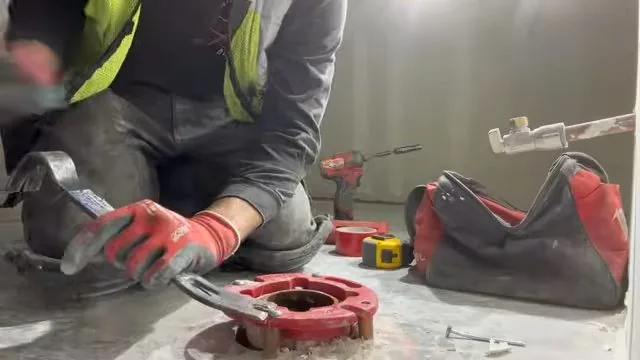
Replacing a toilet means pulling the old one, scraping the old wax, checking the flange and floor for damage, then setting the new bowl on a fresh seal. A bathroom sink or vanity swap adds a new faucet, drain and supply lines, and often a trap. A tub or shower swap is larger and may involve opening the wall, so the plumber needs to see the layout first.
| Job | Work involved | Worth checking first |
|---|---|---|
| Toilet replacement | Remove old bowl, reset flange, new wax seal, test | Flange condition and floor level |
| Vanity and sink swap | New faucet, drain, supply lines, trap | Cabinet fit and shutoff valve condition |
| Bathtub replacement | Disconnect drain and overflow, remove tub, set new one | Access panel and subfloor |
| Remodel rough-in | Move or add supply and drain lines | Permit requirements for new fixtures |
Small jobs fill out the list. An outdoor faucet or hose bib that drips at the stem or cracked in a freeze, a bidet seat that needs its own supply connection, and hookups for a washing machine, dishwasher or ice maker all belong to fixture work. Bigger specialty installs, such as a laundry room, a wet bar, a bathroom in an accessory dwelling unit, a tub-to-shower conversion, a moved toilet or a dual-flush model, are planned with the plumber before work begins.
Adding a new fixture or moving one can need a permit. Meridian's plumbing permit list names a residential type, R-PLMEX, for existing-home work such as a remodel, so ask the plumber how your project is classified.
Fixture repair questions, answered
My utility sink in the laundry room is leaking. What should I check?
Look at where the water shows up. A drip at the faucet spout points to a worn cartridge or washer. Water under the sink usually comes from the supply connections, the drain trap or a cracked basin seam. Dry the area, run the tap and watch each joint. A plumber can replace a supply line, a trap or the faucet in one visit.
Can a plumber repair or replace a toilet in one visit?
Often, yes. Repairs such as a new fill valve, flapper, wax ring or supply line take well under a visit. A full toilet replacement involves pulling the old toilet, checking the flange, setting the new bowl on a fresh wax ring and testing for leaks. Tell dispatch what the toilet is doing so the plumber brings the right parts.
Why does my toilet keep running after I flush?
Water keeps flowing when the flapper does not seal, the fill valve does not shut off or the float is set too high, so the tank refills through the overflow tube. Dropping a few drops of food coloring in the tank and waiting fifteen minutes shows a flapper leak: color in the bowl means water is slipping past. Worn parts are quick to swap.
What does a toilet fill valve do, and when does it need replacing?
The fill valve refills the tank after a flush and shuts off when the float reaches the right height. Signs it is wearing out include a hissing refill that never stops, slow filling, a tank that overfills into the overflow tube or a toilet that runs at random. It is a standard part and a plumber can swap it quickly.
Fix the drip today
Phone and a plumber serving your area can come for toilets, faucets, showers and sinks.
- Licensed and insured plumbers
- Same-day service when available
- 24/7 emergency dispatch