
24/7 Emergency Line Open
Emergency Leak Detection and Repair for Meridian Homes
(208) 285-8836Find the leak, stop the water, repair only what failed.
- Licensed and insured plumbers
- Same-day service when available
- 24/7 emergency dispatch
The first sign is rarely a puddle. It is a water bill that jumped, a faint hiss when every tap is shut, a ceiling stain the size of a coffee cup, or a baseboard that has started to feel soft. Each one can mean water is escaping somewhere you cannot see, and every day it runs adds to the damage. The sections below explain how leaks are located and repaired in Meridian homes, and what to do while you wait for a plumber.
If water is spraying or flooding a room right now, shut off the main valve first and phone the number at the top of this page. Everything else here can wait until the water is off.
Fix a leaking toilet, faucet or shower before it spreads
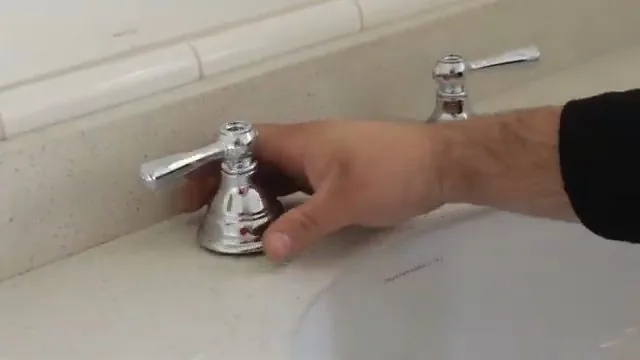
Fixture leaks are the ones you can usually see, and they are the simplest to stop early. A toilet that refills on its own is leaking past the flapper or the fill valve into the bowl. A faucet that drips at the base is losing water from a worn cartridge or seal. A shower that leaks at the wall is different, because the water is escaping behind the finish where nobody can watch it.
Two shower situations are worth describing. In the first, a shower pipe was threaded in crooked at the wall and weeps whenever the valve is opened, which means the wall has to be opened to reach it. In the second, a tiled shower leaks onto the floor outside the enclosure, and the open question is whether the pan, the drain connection or the valve behind the tile is at fault. A plumber can flood-test the shower floor and pressure-test the supply lines separately, so the repair goes to the right part and not just the nearest tile.
How plumbers find a leak you cannot see
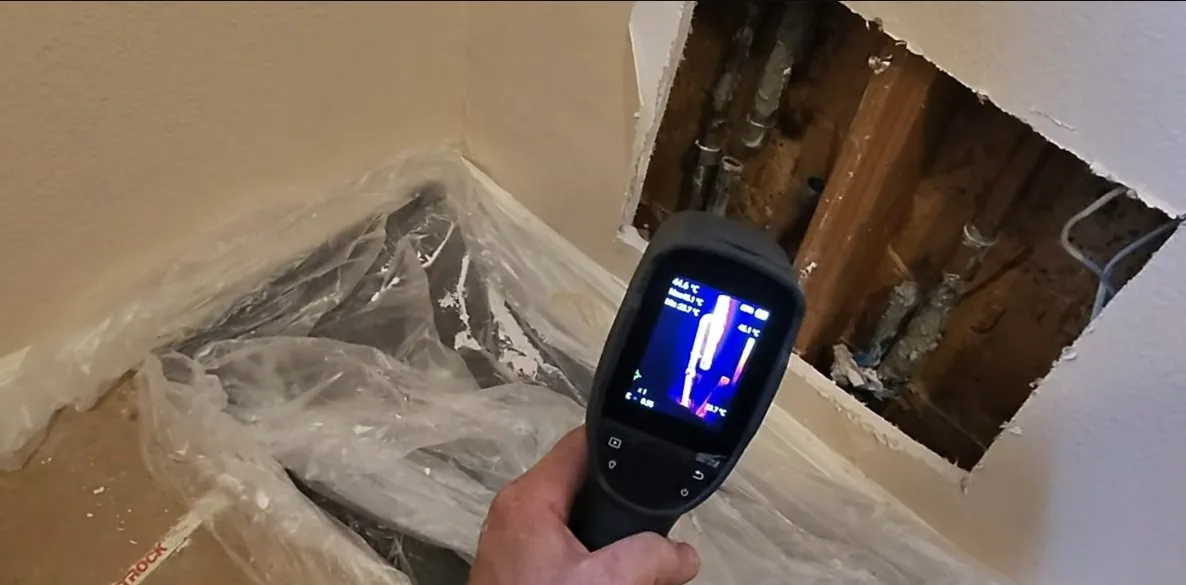
A hidden leak shows itself indirectly: a meter that moves with everything off, pressure that sags at the tap, a warm spot on a floor, damp drywall, a musty smell in a closet. Finding it is a process of elimination. The plumber closes off sections of pipe, watches the meter, and then narrows the search with sound, heat or pressure. Listening equipment picks up the hiss of water escaping under pressure inside a wall or floor. Thermal imaging shows the cooler or warmer path that water leaves in a surface. A pressure test holds a section of line at working pressure and watches the gauge for a drop, which separates a failing pipe from a failing fixture.
The aim is a precise place to open the wall or floor, so the repair is as small as the leak allows. Steady flow adds up quickly, and a city handout from Meridian Public Works shows how much.
| Leak rate | Water lost in a month |
|---|---|
| 1/4 gallon per minute | 10,800 gallons |
| 1/2 gallon per minute | 21,600 gallons |
| 3/4 gallon per minute | 32,400 gallons |
| 1 gallon per minute | 43,200 gallons |
Source: City of Meridian Public Works water information card, accessed 2026-11-08.
A toilet flapper or a buried supply line can deliver that kind of steady flow around the clock, and even the smallest row is a large amount of water. That is why a bill that climbs for no clear reason deserves a meter check before anything else.
Meter still moving with everything off?
That points to a leak in the house or the yard. Call and describe what you see, and the plumber can tell you what to test first.
Leaks outside: sprinkler lines and the line to the house
Water that disappears outdoors is easy to miss because the lawn absorbs it. Two places account for most of the search: the irrigation system and the supply line that runs from the meter to the house.
Irrigation season matters
Pressurized irrigation is common across the Treasure Valley and normally runs from mid-April through early October. A broken sprinkler line only loses water while the system is running, so a leak can sit unnoticed in a lawn bed for weeks. Testing with the irrigation off and then on separates it from the house plumbing.
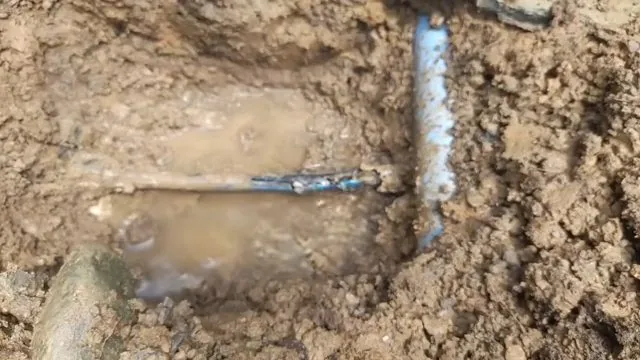
The supply line between the meter and the house is the other outdoor suspect. A soggy strip of lawn, a sunken patch or a driveway edge that stays damp between the meter and the foundation are the usual hints. If the meter moves with the house valve closed, the loss is on that stretch or in the sprinkler system, and the plumber can check each in turn.
When an earlier repair did not stop the leak
A stain that keeps growing after a repair is common and frustrating. It usually means one of three things: the first repair fixed a real leak but a second one exists, the water showing up is traveling along a pipe or joist from somewhere else, or the stain is old water that has not finished drying. Detection after a failed fix starts by drying and marking the stain, then retesting the line to see whether pressure still falls.
Bring whatever paperwork you have from the earlier work. It tells the next plumber which pipe was already replaced, and that saves time hunting in a place that is now sound.
A leak that will not wait
Leak detection is booked by phone, day or night. Tell dispatch what you have noticed and where.
Under the house: confirm what you have first
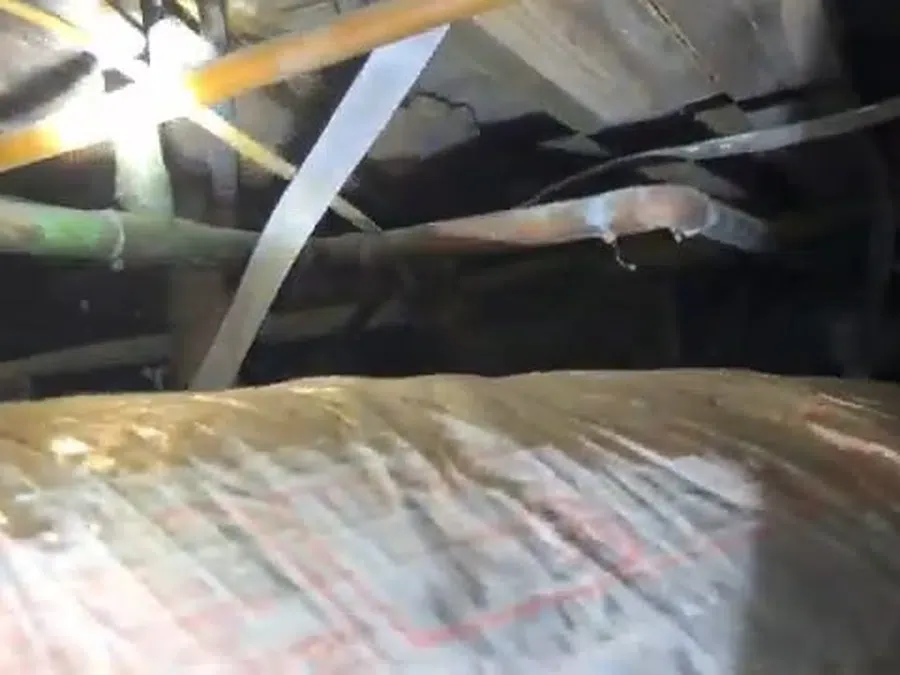
Where a hidden leak can be reached depends on what is beneath your floor, and homes vary: a concrete slab, a crawl space or a basement. Confirm which one you have first. A crawl space has a small access hatch, often in a closet, a garage wall or the outside of the house. A flashlight and a phone camera will show wet insulation, dripping joints or damp soil.
Concrete floors call for a different approach, and the page on slab leak detection covers it. If water has already soaked drywall, carpet or insulation, water damage restoration covers the drying side, which is a separate job from the plumbing repair.
A plumbing inspection or pipe condition check is a separate request from a leak search. The plumber looks over visible supply and drain lines, valves and fixtures, reports their condition and says which items to watch, which can help when an older home has had repeated problems.
What to do before the plumber arrives
- Find the main shutoff and turn it clockwise until it stops, then open the lowest tap to relieve pressure.
- Photograph the water meter, the stain or the wet area, and note the time you first saw it.
- Move rugs, boxes and furniture out of the wet zone and put a bucket under any steady drip.
- Write down whether the water runs constantly or only when a fixture is in use, because that points to supply or drain.
If the leak is above a light fixture, a ceiling fan or an outlet, keep the switch off and stay out from under it. Wet drywall can drop without warning once it is saturated.
The plumber works from what you saw, so specifics matter more than a diagnosis. Saying the pressure fell last Tuesday, or that the stain sits under the upstairs bathroom, is more useful than a guess about which pipe is at fault.
Questions about leak detection
How do I know whether there is a leak somewhere in the house?
Shut off every tap and appliance, then look at the water meter. If the dial or the small low-flow indicator still turns, water is going somewhere. Next, close the main valve at the house. If the meter stops, the leak is inside the building. If it keeps moving, the loss is in the line between the meter and the house, and that narrows the search before a plumber arrives.
Why does my shower pipe leak at the wall when the water is on?
A leak that shows only while the shower runs usually comes from the joint between the valve and the shower arm, or from a fitting behind the wall that is stressed by flow. A pipe threaded in crooked, or a joint that was never fully sealed, will weep under pressure. Because the joint sits inside the wall, the plumber confirms the source with a pressure test and then opens the smallest access that reaches it.
Can a plumber find a leak that an earlier repair missed?
Yes. A stain that keeps growing after a repair means there is a second leak, or that water is traveling along a pipe or joist from somewhere else, or that the stain is old water still drying. The plumber dries and marks the stain, retests the line to see whether pressure still drops, and then uses listening or thermal tools to follow the water back to its source.
Why is my tiled shower leaking onto the floor outside it?
The water is getting past the waterproofing under the tile, through a failed drain connection, or from a valve or pipe behind the wall. Looking at the grout alone rarely settles it. A flood test of the shower floor and a separate pressure test of the supply lines show which of those is failing, so the repair goes to the real source and not to the nearest cracked tile.
Ready to find it?
One call starts the search. Have the address and a short description of what you have seen.
- Licensed and insured plumbers
- Same-day service when available
- 24/7 emergency dispatch