
24/7 Emergency Line Open
Water Service Line Repair and Replacement for Meridian Homes
(208) 285-8836Trace the line from the meter box to the house and fix what has failed.
- Licensed and insured plumbers
- Same-day service when available
- 24/7 emergency dispatch
The water service line is the pipe that carries water from the street to your house, and nobody sees it until something goes wrong. A wet patch in the lawn that never dries, a meter that spins when every tap is closed, or pressure that falls off at the same time every day all point toward it.
If the yard is soggy and you are not sure why, look at the meter box first, then at any sprinkler zone that is running.
Water line replacement: when a new line beats a patched one
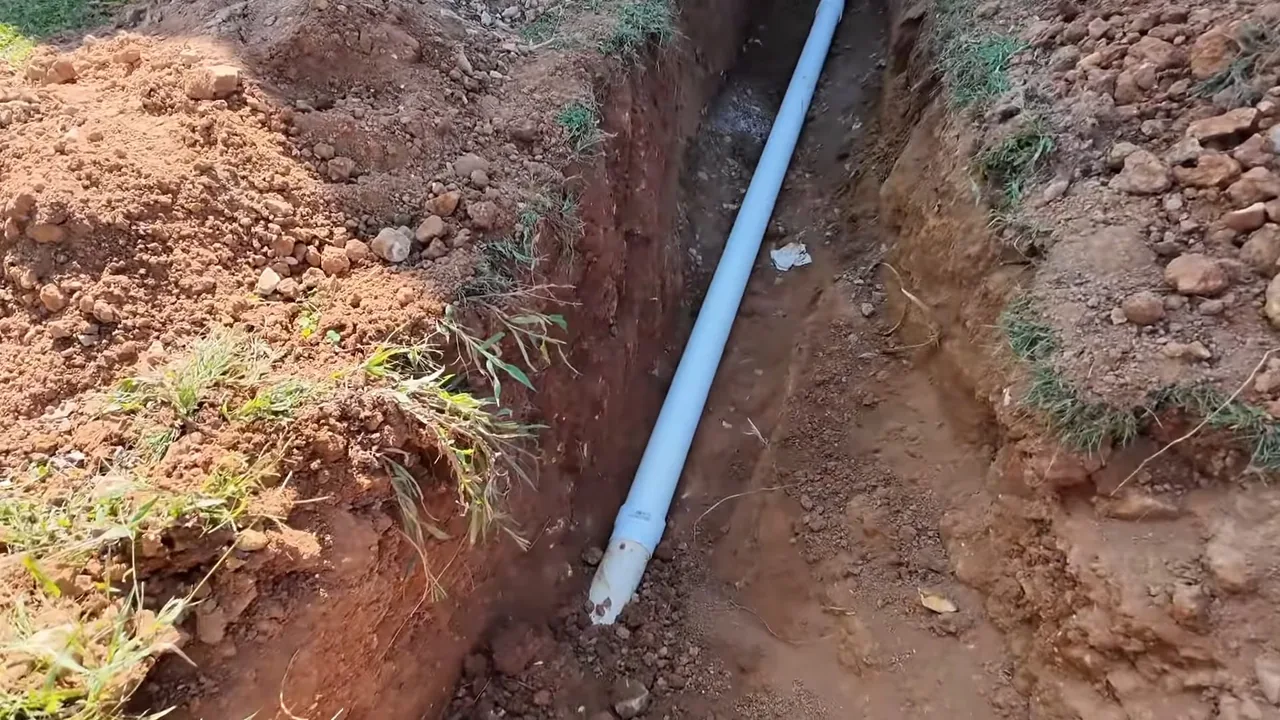
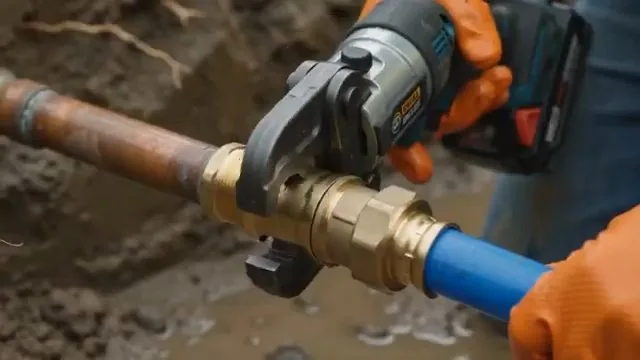
A line is a candidate for replacement when it fails more than once, when its material is known to corrode or when repairs would leave short sections of new pipe between old ones. Replacement can be done by opening a trench along the route or by pulling a new pipe through the old path where the ground and layout allow it. Either way, the digging comes with rules.
Dig safely and pull the right permit
Idaho law asks excavators to contact 811, which relays the request to utility owners, at least two business days before digging, so gas, electric and other buried lines can be marked. In Meridian, the plumbing permit list names a permit type, R-EXC, for sewer and water line replacement.
Ground conditions affect the work. Caliche, a cemented hardpan layer that occurs in southwestern Idaho soils, can slow digging where it is present. No source says whether your lot has it, so the plumber learns that by digging, not by assumption.
| Sign | Points toward |
|---|---|
| One clean leak on an otherwise sound line | Repair of that section |
| Second or third leak in a few years | Replacement of the run |
| Brown water or falling flow along with leaks | Corroded pipe, replacement |
| Leak right at the meter connection | Report to the city; fitting may be theirs |
| Line routed under a driveway or slab | Reroute or trenchless options |
How much water a yard line leak can waste
A steady leak is expensive even when it is out of sight. A Meridian water information card gives the figures: a quarter of a gallon a minute loses 10,800 gallons a month, half a gallon a minute loses 21,600, three quarters 32,400, and a full gallon a minute loses 43,200. Those numbers explain why a quiet wet patch is worth a call.
The city's own leak arithmetic
Multiply the flow by minutes in a month and the quantity is large even for a trickle. Checking the meter with every fixture off is the quickest way to learn whether a leak is running.
- Close every tap and make sure no appliance is running.
- Read the meter dial and note the position.
- Wait fifteen minutes without using water.
- Read it again. Movement means a leak past the meter.
If the meter is moving and the house side is dry, the leak is in the yard. A plumber can locate it by listening along the route and pressure testing the line before any digging begins.
Meter moving with every tap closed?
Phone dispatch and say where you see the leak. Someone can trace the line and tell you what to expect.
Service line and yard line repair, from the meter box to the house
The service line runs from the meter box under the yard, through the foundation or slab, to a shutoff valve inside the house. A leak can happen anywhere along that path. Irrigation adds confusion: in the Treasure Valley, pressurized irrigation systems commonly run from mid-April to early October, so a wet patch that shows up in that window may belong to a sprinkler zone, not the water line.
Do not dig to find a leak yourself. Buried gas, electric and communication lines share the same yard, and a shovel through one is a bigger emergency than the leak. Call 811 first, and keep children and pets away from soft, undermined ground.
- Look for wet ground that stays wet after sprinklers are off.
- Listen for hissing near the meter box or the shutoff inside the house.
- Check the lawn for a green stripe or a sunken line that follows the pipe.
- Confirm where the city's side of the meter ends before anyone digs.
Who owns which stretch of line matters for who fixes and who pays. No Meridian source on that split was found, so ask the city's Water Division where its responsibility ends, then have the plumber work on your side only. The reference for the irrigation season is a University of Idaho Extension brochure.
Water pressure: low, high and the regulator in between
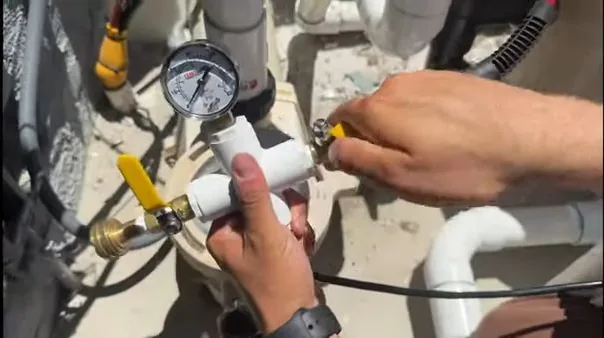
The city says homes in Meridian can expect between 50 and 80 pounds per square inch, depending on location. Low pressure that appears suddenly can mean a leak, a closed or partly closed shutoff valve, a clogged filter screen, or a failed pressure reducing valve. High pressure is harder on fixtures, supply lines and the water heater, and a regulator set too high or one that has failed can cause dripping relief valves and noisy pipes.
A pressure regulator is the quiet part of the line
A pressure reducing valve, often a bell-shaped brass fitting near the shutoff, keeps house pressure in a safe band even when street pressure runs high. A gauge on a hose bib shows what the house is seeing. Readings above the range the plumbing was built for are a reason to look at the regulator before replacing fixtures.
The shutoff valve matters too. Newer Meridian homes usually have one on the property, and a valve that sticks or leaks at the stem is a common repair. A new valve means a clean, quick shutoff the next time something fails.
Low pressure or a wet yard?
Describe what you see to dispatch. The plumber can say whether it points to the line, the regulator or the valve.
Water line questions, answered
My pressure tank is leaking and the water has stopped. Who fixes that?
A plumber can. A pressure tank holds a cushion of air behind a bladder so a pump does not cycle on every tap. When the bladder fails or the tank rusts through, water pressure drops or the water stops. Replacement means draining the system, swapping the tank, setting its pre-charge and checking the pressure switch.
There is no water at my house. Should I check the meter first?
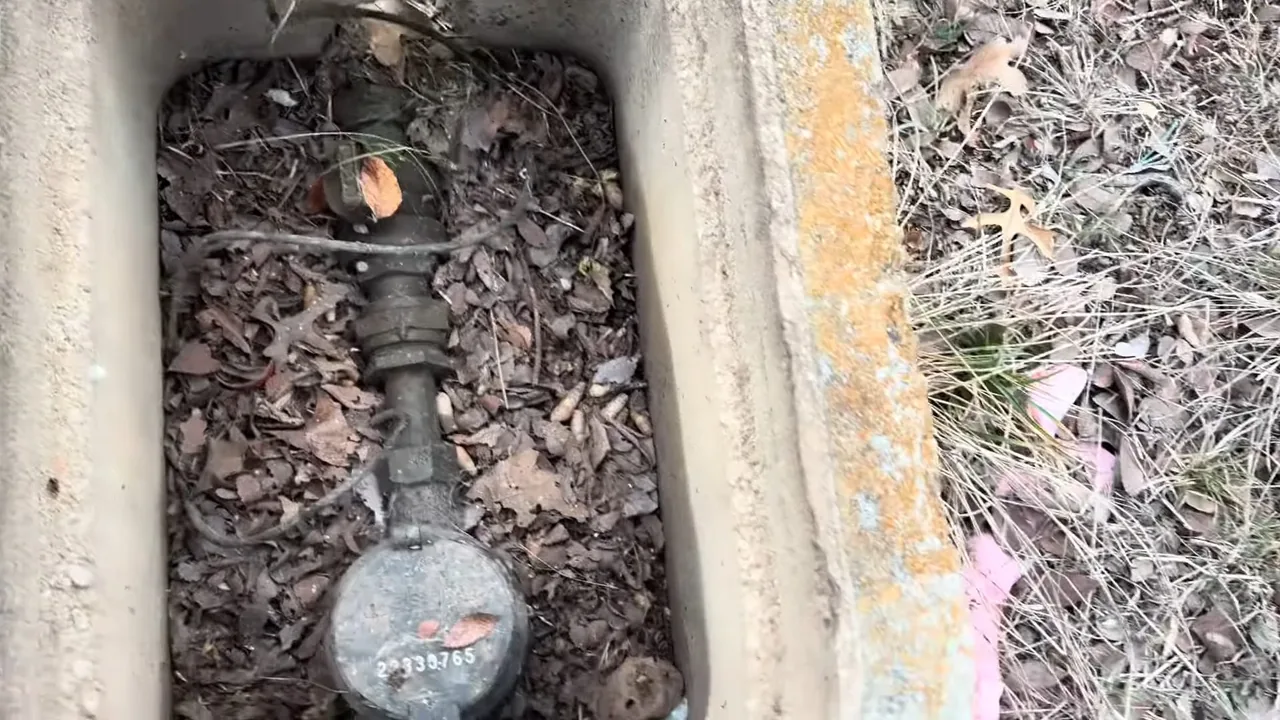
Yes, that is a sensible first step. Look at the meter box near the street. If the dial is moving with everything off, water is leaking somewhere past it. If the dial is still, check whether the house shutoff valve is open, whether a neighbor has water, and call the city's Water Division if the problem looks like it is on the street side.
I see water around the meter box in my yard. What does that mean?
Water pooling at the meter box can come from a leaking meter connection, a cracked service line, or a sprinkler line nearby. Because the meter itself belongs to the water utility, report a leak at or before the meter to the city. A plumber can trace a leak on the house side and tell you whether it is the line or the irrigation.
Water line trouble? Call now
Dispatch can send a plumber serving your area to trace the line and plan the fix.
- Licensed and insured plumbers
- Same-day service when available
- 24/7 emergency dispatch