24/7 Emergency Line Open
Emergency Water Removal, Drying and Mold Testing After a Leak in Meridian
(208) 285-8836Get the water out and the building dry before mold has a chance to start.
- Licensed and insured plumbers
- Same-day service when available
- 24/7 emergency dispatch
Water damage is a race. Standing water seeps into drywall, flooring and framing, and every hour that materials stay wet raises the chance of lasting damage and mold. The sequence that works is the same after any source of water: stop the source, remove the water, dry the structure and check for what the water left behind.
Water damage line: (986) 529-0038. Use this number for water removal and drying. For any other plumbing problem, use the main line at the top of the page.
If the water is still running, shut off the main valve first. A broken pipe is a plumbing problem, and the repairs section of this site covers burst and frozen pipes.
What happens on a water damage job, from first call to dry building
A job moves through predictable stages, and knowing them makes the process easier to follow. The goal at each stage is to reduce moisture to normal levels for the materials in your home.
- Stop the source and make the area safe, including electrical hazards.
- Extract standing water with pumps and wet vacuums.
- Map moisture in floors, walls and ceilings with a meter.
- Set air movers and dehumidifiers and open wall cavities where needed.
- Check readings daily and adjust equipment until materials are dry.
- Remove materials that cannot be dried, such as soaked padding.
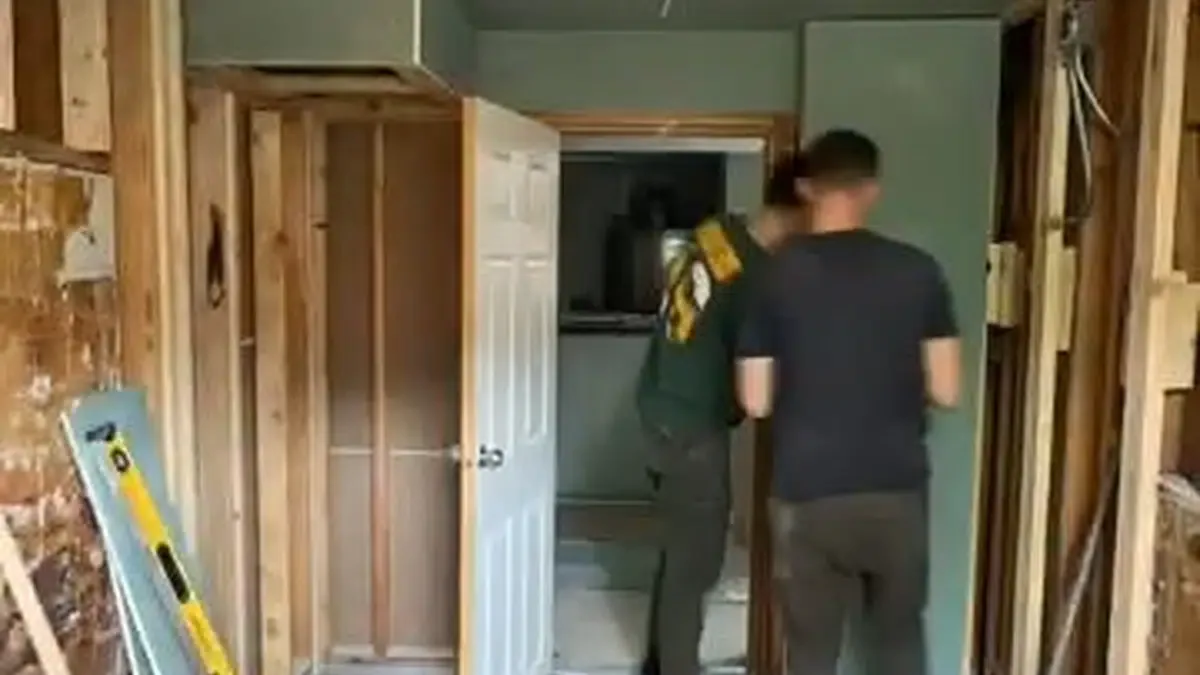
Water and electricity do not mix. If water has reached outlets, appliances or the panel, stay out of the wet area and switch off power only from a dry spot. Treat floodwater and sewage as contaminated and keep children and pets out.
Standing water in the house?
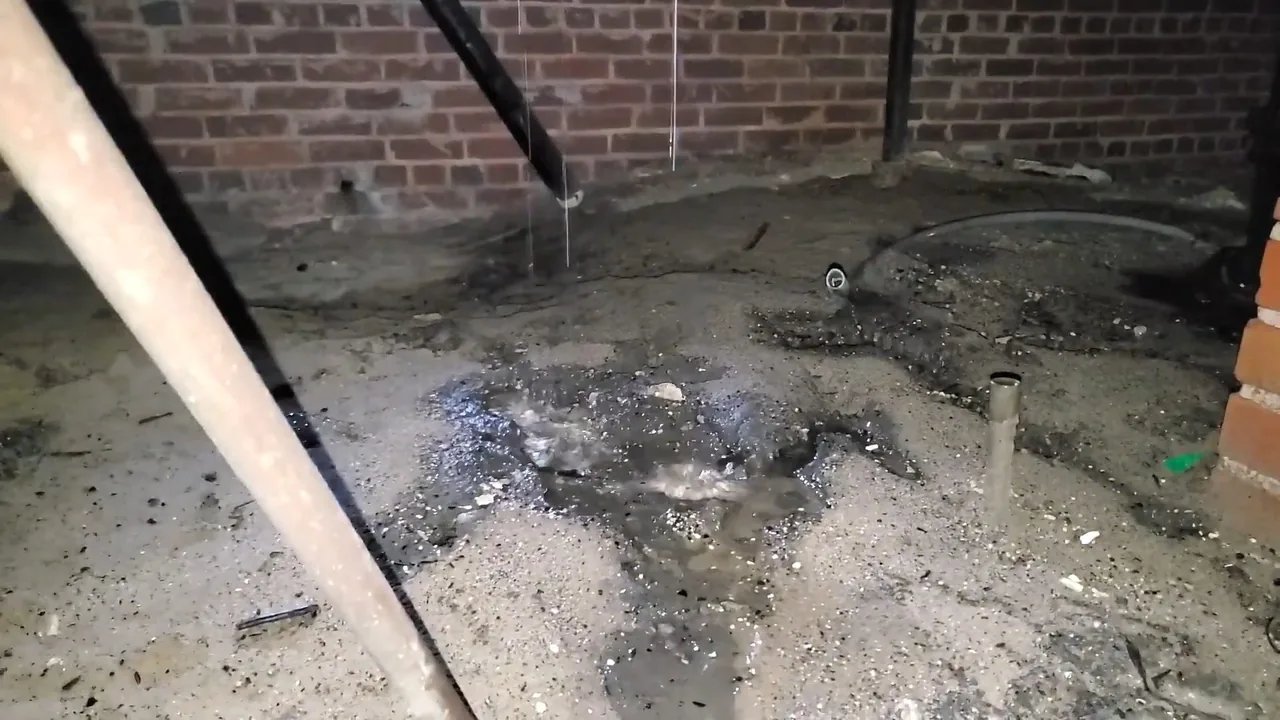
Shut off the source if you can, then reach dispatch. Say where the water is and how long it has been there.
Burst pipe and plumbing leak damage
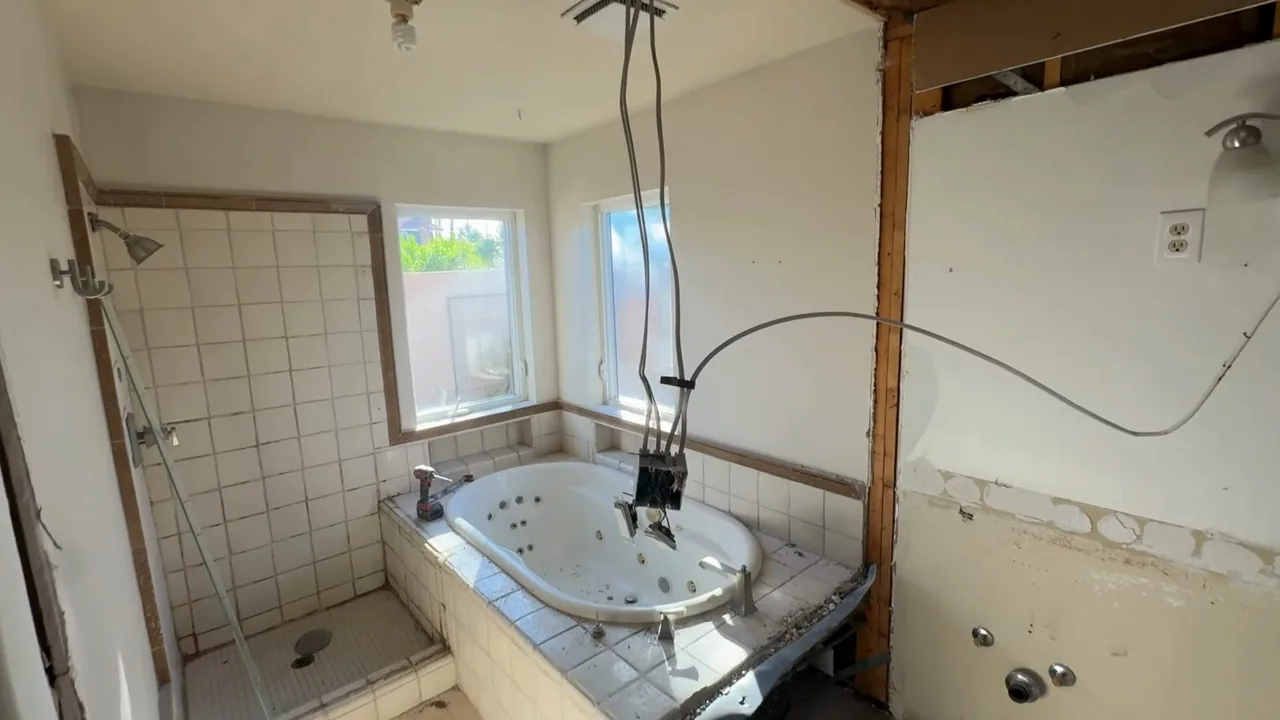
Water damage cleanup in Meridian homes most often begins with a plumbing failure: a split supply line, a failed water heater, an overflowing toilet or a leaking dishwasher hose. Where the water starts shapes where it goes. A leak above a ceiling travels along joists, and a leak in a wall cavity can wet the framing for several feet before it shows.
| Source | Where it travels | What to check |
|---|---|---|
| Burst supply line in a wall | Down the cavity into the floor and ceiling below | Wall base, baseboards, ceiling stains |
| Water heater failure | Across the floor, into adjoining rooms | Flooring edges, drywall bottoms |
| Toilet overflow | Across bathroom floor, down through the subfloor | Ceiling under the bathroom |
| Dishwasher or ice maker line | Under cabinets and flooring | Cabinet bases, floor seams |
Frozen pipes are a Meridian-area cause in winter, covered in more detail on the pipe repair page. Leaks that begin outside plumbing, such as a roof, an air conditioner drain or a sprinkler line, can cause the same damage and are handled the same way once the source is found.
Mold testing, inspection and assessment
Mold needs moisture, and the first sign is often a smell before there is anything to see. The EPA's guidance says mold will not grow in most cases if wet items are dried within 24 to 48 hours, and it sorts mold cleanup into small jobs of under 10 square feet, medium jobs of 10 to 100 square feet and large jobs above that. Larger jobs call for a remediation manager.
The EPA's size bands
Under 10 square feet, a homeowner can often clean a small area following the agency's guidance. From 10 to 100 square feet, the EPA suggests a trained professional be involved. Past 100 square feet it calls for a remediation manager.
- Musty smell in a room that was wet.
- Discoloration on walls, ceiling tiles or baseboards.
- Peeling paint or swollen drywall.
- Condensation that returns after drying.
Inspection uses a moisture meter, a thermal camera or both to find wet areas that you cannot see. Sampling is an option when growth is suspected but not visible. The point of testing is to decide what needs to come out, not to alarm anyone.
Flooded basements, crawl spaces and whole-house water loss
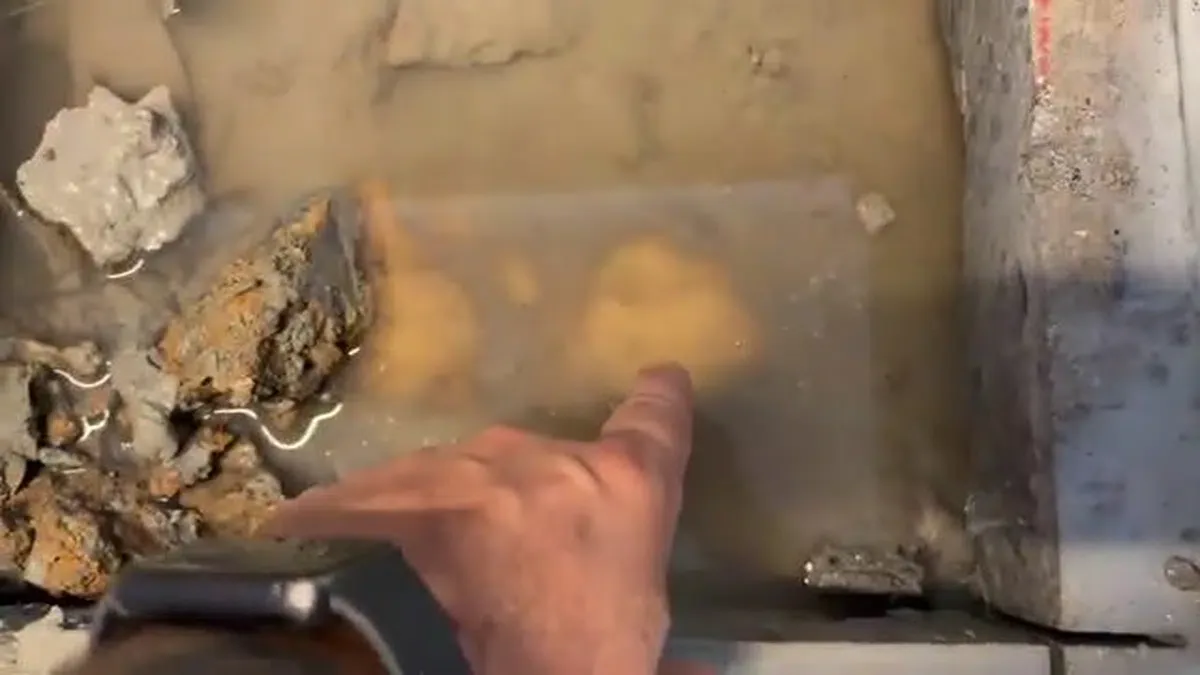
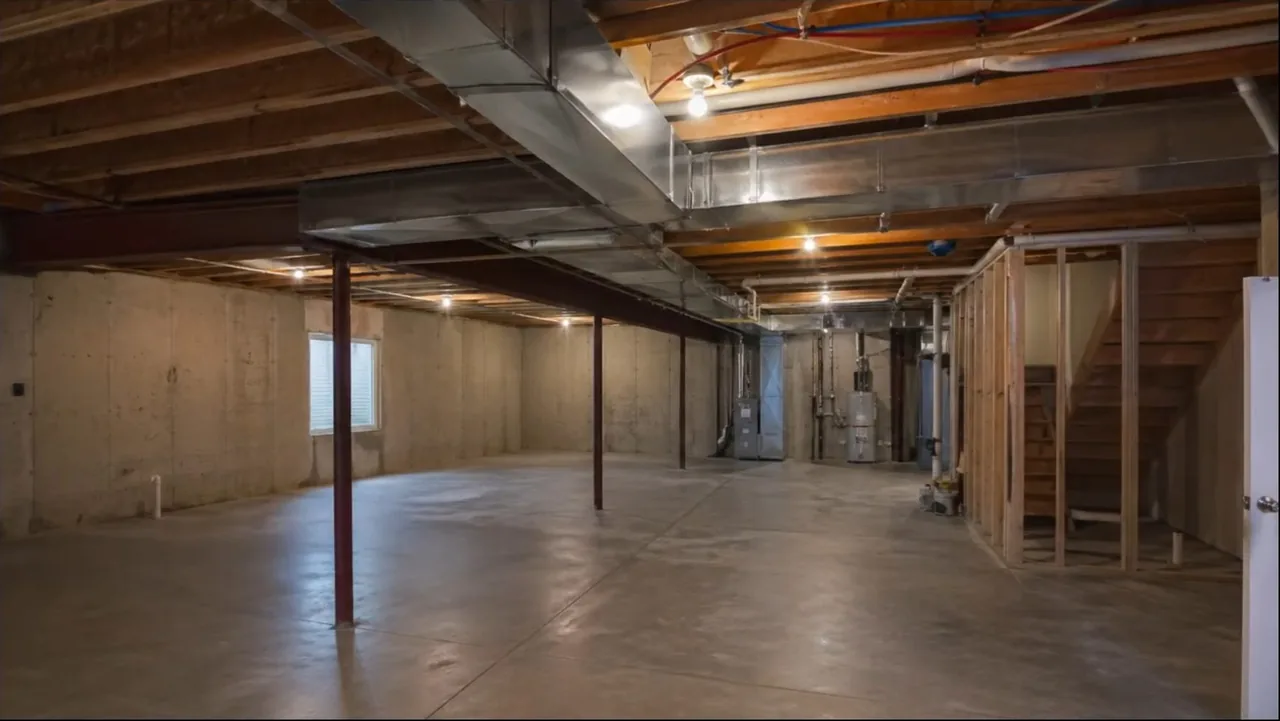
Larger events involve more materials and more drying. If your home has a basement or crawl space, water can collect there after a burst line, a drain backup or a heavy storm. Whole-house losses, such as a supply line that fails while the family is away, can wet every level.
Drying a large loss takes several days. The equipment runs continuously, which is noisy and uses power, and the technician checks readings at intervals. Materials that stay wet after the target window may need to be opened or removed, and the plumber or contractor should explain which ones and why.
A major loss inspection comes before drying starts on a large event. The technician maps which rooms and materials are wet, takes moisture readings and notes what must come out, and that written assessment also shows how far the water traveled.
Wet carpet and padding are often removed rather than dried, and the technician decides after taking readings. Hardwood and laminate floors are checked with a moisture meter to see whether they can stay in place.
Basement waterproofing and foundation repair are separate trades from removal and drying. If water keeps coming back after a basement dries, a foundation inspection is the next step, and a plumber can first rule out a supply line or drain as the source.
Smoke and soot cleanup is a different trade.
Water that adds up fast
A leak that is slow enough to ignore can still move a great deal of water. The city's handout puts a three-quarter-gallon-a-minute leak at 32,400 gallons a month, which is why a hidden leak that has run for weeks can soak a wall and floor structure.
Storm, flood or burst line?
Tell dispatch what happened. The plumber can stop the source and explain the drying steps.
Insurance, documentation and drying records
A good record helps with any claim. Photos of the damage before anything is moved, a list of what was affected and moisture readings taken during drying show what the loss was and how it was handled. Your insurer sets the rules for your claim, so ask what it needs before you discard materials.
Water damage line: (986) 529-0038. Use this number for water removal and drying. For any other plumbing problem, use the main line at the top of the page.
Condominiums, apartments and commercial buildings add a layer of ownership: the water may come from a unit above, or from shared plumbing, and responsibility can sit with the property manager. Note the source and tell the manager early.
Water damage questions, answered
Does the work include mold testing?
Testing and inspection are part of the scope. A technician checks wet materials with moisture meters, looks for visible growth and odor, and can recommend sampling where it is warranted. Removal of mold is a separate step that depends on how much is present and where.
How quickly does water have to be removed to avoid mold?
The EPA says that in most cases mold will not grow if wet or damp items are dried within 24 to 48 hours. That is the target for extraction and drying, which is why a call in the first hours matters more than waiting to see how bad it gets.
Should I file an insurance claim, and what do I need?
Your policy and your insurer decide that, not a plumber. Many people photograph the damage before anything is moved, keep wet materials until the adjuster has seen them where possible, and save receipts. Ask the insurer what it needs before throwing items away.
What does the drying equipment do?
Air movers push dry air across wet surfaces, and dehumidifiers pull moisture from the air so it does not settle back into materials. Moisture meters track progress, and equipment stays until the readings reach normal levels. Drying is complete when the materials are dry, not when they feel dry.
Water damage? Act in the first day
Dispatch can connect you with a plumber serving your area to stop the source and start the drying.
- Licensed and insured plumbers
- Same-day service when available
- 24/7 emergency dispatch