24/7 Emergency Line Open
Water Heater Repair in Meridian, ID: Leaks, Cold Showers and Pilot Trouble
(208) 285-8836Work out what failed, repair what can be repaired, and say plainly when it cannot.
- Licensed and insured plumbers
- Same-day service when available
- 24/7 emergency dispatch
No hot water does not always mean the heater is dead. A tripped breaker, a pilot that blew out, a failed thermostat or a burned-out element can each look like a dying tank, and each costs far less to fix than a replacement. The reverse is true as well: a heater that leaks from the tank wall cannot be repaired no matter how new the fittings are. This page sorts the repairable from the rest.
If water is pooling under the heater, close the cold supply valve on top of it and switch the heater off before you call.
Gas or electric: the two heaters fail in different places
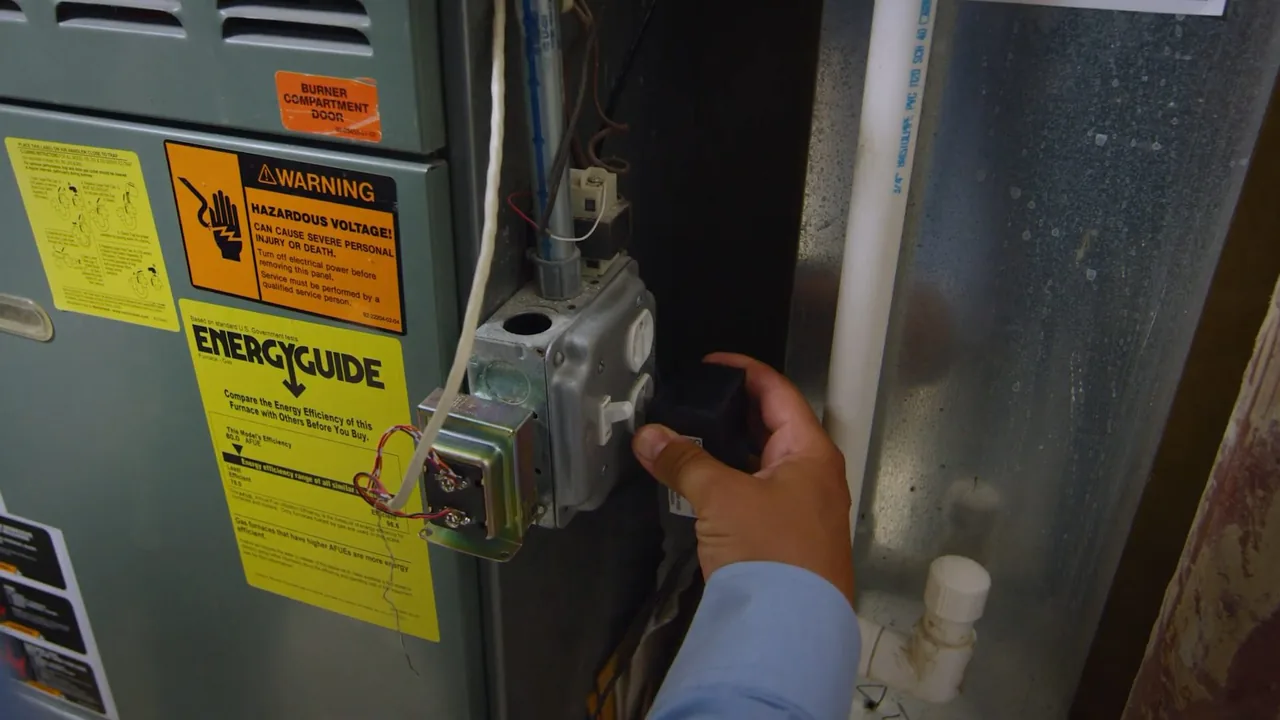
A gas heater has a burner, a pilot or an electronic igniter, a gas control valve and a flue that carries exhaust out of the house. An electric heater has two heating elements, two thermostats and a high-limit reset button. The tank, the relief valve, the anode rod and the plumbing connections are the same on both, which is why leaks and sediment problems show up on either type.
| Symptom | Gas heater | Electric heater |
|---|---|---|
| No hot water at all | Pilot out, igniter or thermocouple failed, gas valve fault | Tripped breaker, high-limit button tripped, both elements or a thermostat failed |
| Lukewarm water | Dirty burner, partly blocked flue, sediment on the tank bottom | One element burned out, or the lower thermostat failing |
| Water runs out fast | Sediment covering the burner end, dip tube broken | Lower element failed, so only the top third heats |
| Popping or rumbling | Sediment hardened on the tank bottom | Scale buried around the lower element |
Gas in Meridian comes from Intermountain Gas
Intermountain Gas lists Meridian among the Ada County communities it serves. A gas smell near a heater means everyone leaves the house first, and the gas utility or 911 gets the call from the yard or street. Relighting a pilot or flipping switches inside a room that smells of gas is never the answer.
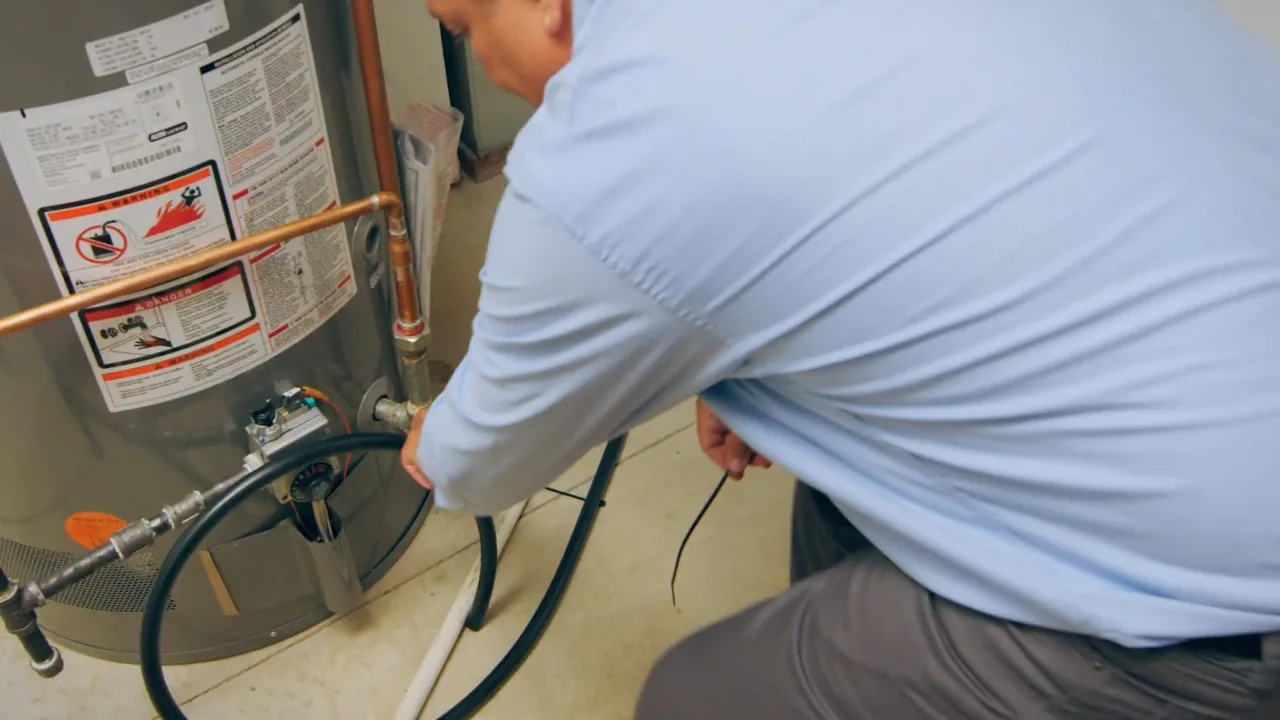
A leaking tank: what can be repaired and what cannot
Water around a heater has several possible sources, and only some of them mean the tank has failed. A loose connection on the inlet or outlet pipe, a dripping drain valve and a temperature and pressure relief valve that is venting are all repairable. A leak that comes from the tank seam or the bottom is different. Once the steel liner is breached, the tank cannot be patched, and the sensible answer is replacement.
The plumber finds the source by drying the area, then watching where fresh water appears. Wet insulation or rust streaks near the bottom usually mean the tank is going. If the heater is old and the leak is at the tank, spending on repairs rarely pays. The replacement page covers the next steps.
Water under the heater?
Close the cold valve above it, switch it off and phone dispatch. Say whether it is gas or electric.
Hard water, sediment and flushing the tank
Minerals in the water settle at the bottom of a tank heater over time. On a gas unit the layer sits between the burner and the water and wastes fuel. On an electric unit it coats the lower element until it fails. The usual signs are rumbling or popping as steam bubbles push through the sediment, slower recovery and shorter hot showers.
Meridian water carries minerals
By the city's own figure, Meridian water averages about 7 grains per gallon of hardness, and zone readings in its 2021 report run from roughly 7.3 up to 9.5. Dissolved mineral at that level can build sediment inside a heater over the years.
Flushing opens the drain valve and runs water out of the tank until it clears, carrying loose sediment with it. It helps most when it is done before the layer hardens. A heater that has gone years without a flush may have sediment that will not come out, and a plumber can tell whether flushing is still worthwhile.
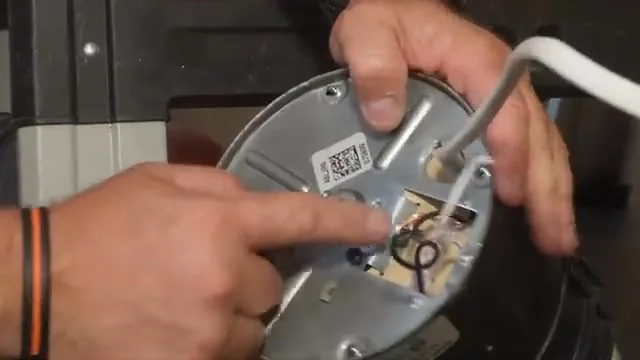
No hot water, lukewarm water or a heater that keeps cycling
These are the complaints that bring most heater calls, and a few checks narrow them. Work through the list before you call, and report what you found.
- Electric heater: check the breaker, then press the red reset button on the upper thermostat once.
- Gas heater: look at the pilot or igniter indicator, and relight only by the instructions on the heater label.
- Check that the temperature dial has not been turned down or knocked off.
- Run a hot tap and note how long the water stays hot before it turns cold.
A water heater can scald at the tap and can leak carbon monoxide if its flue is blocked. If you smell gas, see soot at the burner or hear the relief valve discharging steam, turn the heater off and call a plumber instead of trying more resets.
What you report guides the visit. A heater that makes hot water for a few minutes and then goes cold suggests a failed lower element or a broken dip tube. One that makes no hot water at all points to the pilot, the igniter, a gas valve or both elements. Burner noise, a delayed ignition or a flame that lifts or turns yellow are things the plumber needs to hear about early.
Cold shower this morning?
Call dispatch and describe what the heater is doing. A plumber serving your area can say whether it sounds like a repair.
Repair, replace and the permit question
A repair makes sense when the tank is sound, the fault is a part and the heater is not near the end of its expected life. Replacement makes sense when the tank itself leaks, when repairs are stacking up or when the unit no longer matches the household.
Meridian lists a permit for water heaters
The City of Meridian's plumbing permit list names a permit type, C-WH, for tank and tankless water heaters and for boilers. Idaho's plumbing board adds that the state may require its own permit too, so confirm both with the city before replacing or moving a heater. A repair that swaps a part is a different question from a replacement, and the plumber should say which one applies.
Water heater questions, answered
Who fixes water heaters, a plumber or an appliance technician?
A licensed plumber is the usual choice, because the heater is tied into the water supply, the gas or electrical feed, the venting and the relief valve. A plumber can work on all of those connections in one visit. An electrician may be needed only if the fault is in the circuit that feeds an electric heater, and your gas utility handles anything upstream of the meter.
Do I need a plumber for water heater repair, or can I do it myself?
Resetting a tripped breaker, checking the thermostat setting or relighting a pilot by the manufacturer's instructions are homeowner tasks. Anything involving gas piping, venting, the relief valve, heating elements or the tank itself belongs to a plumber. Errors there can cause scalding, carbon monoxide or flooding, so the line between the two is firm.
Can a water heater be moved or converted to a different type?
Yes, but it is handled as an installation, not a repair. Moving a heater means new water, gas or electrical, venting and drain connections, and Meridian lists a permit type for tank and tankless water heaters. Converting from tank to tankless changes the gas line size, venting and sometimes the electrical service. The installation pages cover those jobs.
My water heater is leaking from the bottom. Should I turn it off?
Yes. Shut off the cold water supply valve on top of the heater, switch an electric unit off at the breaker or turn a gas control to off or pilot, and set a bucket or towels in place. Water at the base can come from a fitting, which is a repair, or from the tank itself, which usually means the heater is at the end of its life.
How do I know what size water heater I need?
Size follows how much hot water the household uses at its busiest hour, not just how many people live there. Tank capacity, recovery speed and the number of bathrooms all matter. When a heater is being replaced, the plumber can read the label on the old unit and talk through what has changed in the household since it was installed.
Hot water back today
Call, say whether the heater is gas or electric, and a plumber serving your area can take it from there.
- Licensed and insured plumbers
- Same-day service when available
- 24/7 emergency dispatch