24/7 Emergency Line Open
Emergency Help for Burst Pipes, Frozen Pipes and Whole-House Repiping in Meridian
(208) 285-8836Stop the water, find the failed pipe and decide between a repair and a repipe.
- Licensed and insured plumbers
- Same-day service when available
- 24/7 emergency dispatch
Water where it should not be gives you minutes, not hours. A burst pipe can empty a supply line into a wall faster than most people can find the main valve, and a pinhole leak can do the same damage slowly for months. Either way, the first step is the same: cut the water, then work out what failed and how much of the pipe behind it is in a similar state.
If water is flowing right now, close the main shutoff and phone dispatch. Newer Meridian homes typically have a shutoff valve on the property, and the city's Water Division can shut water off at the meter for homes that do not.
Pipe repair in Meridian: patching a burst or leaking section
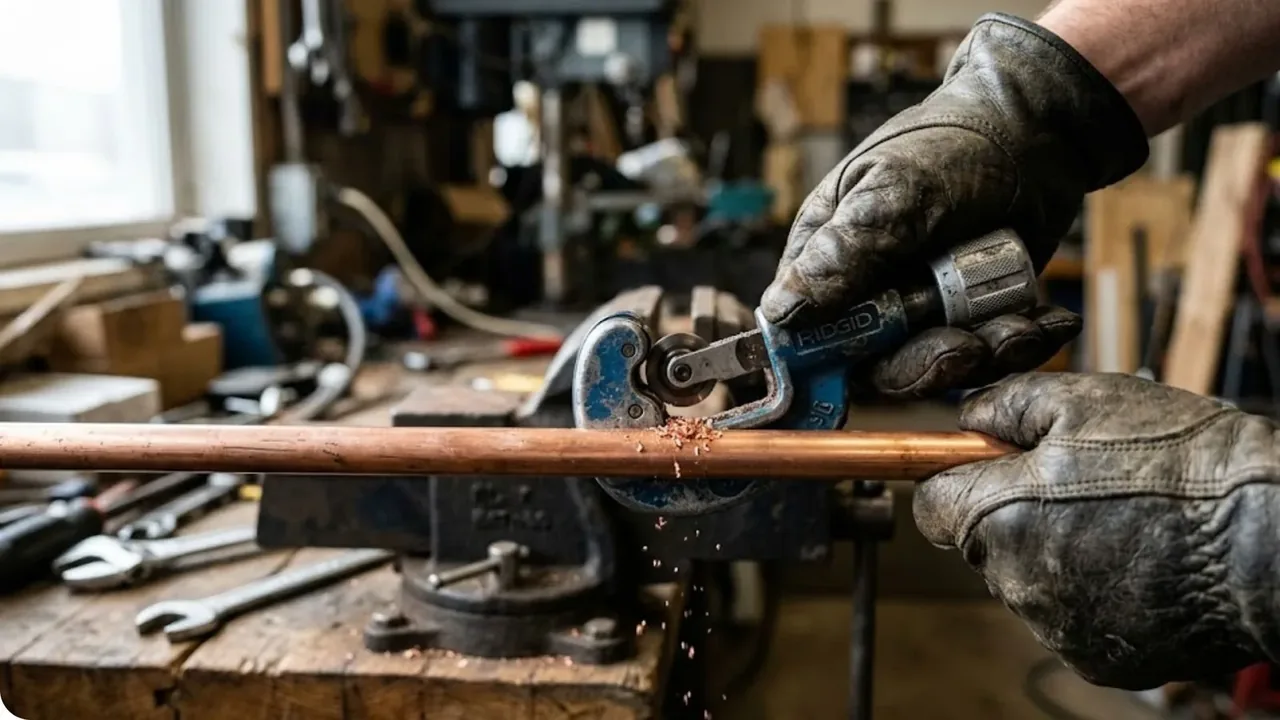
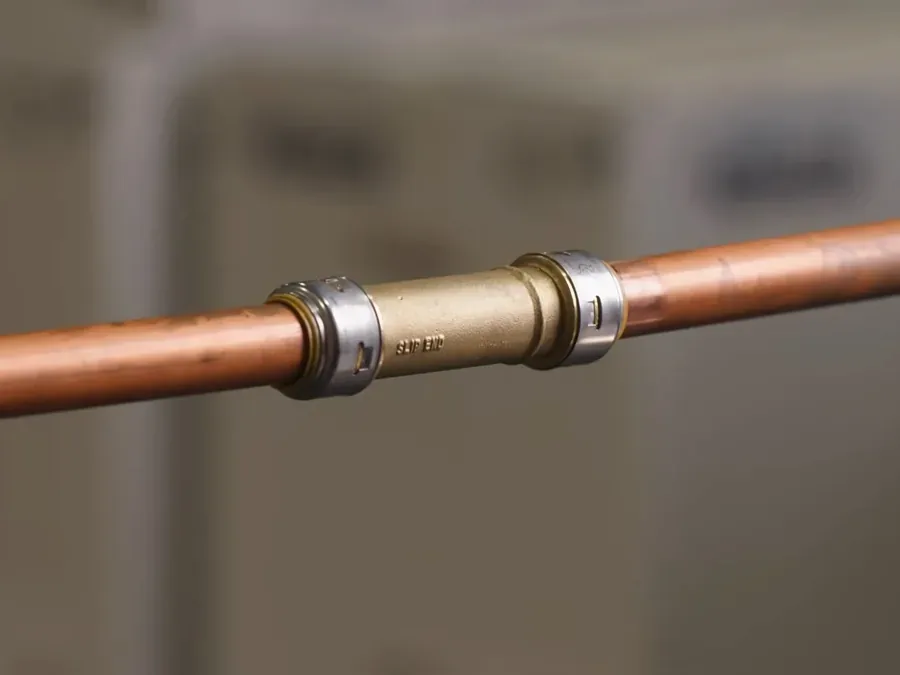
Patching works when the failure is local and the rest of the pipe is sound. The plumber cuts out the damaged section, joins in new pipe with fittings suited to the material, and tests under pressure. Copper takes sweated or press fittings, PEX takes crimped or expansion fittings, and each can be joined to the other with a proper transition.
| What you see | Likely cause | Typical response |
|---|---|---|
| A split along the pipe after a cold night | Water froze and expanded | Cut out and replace the split section |
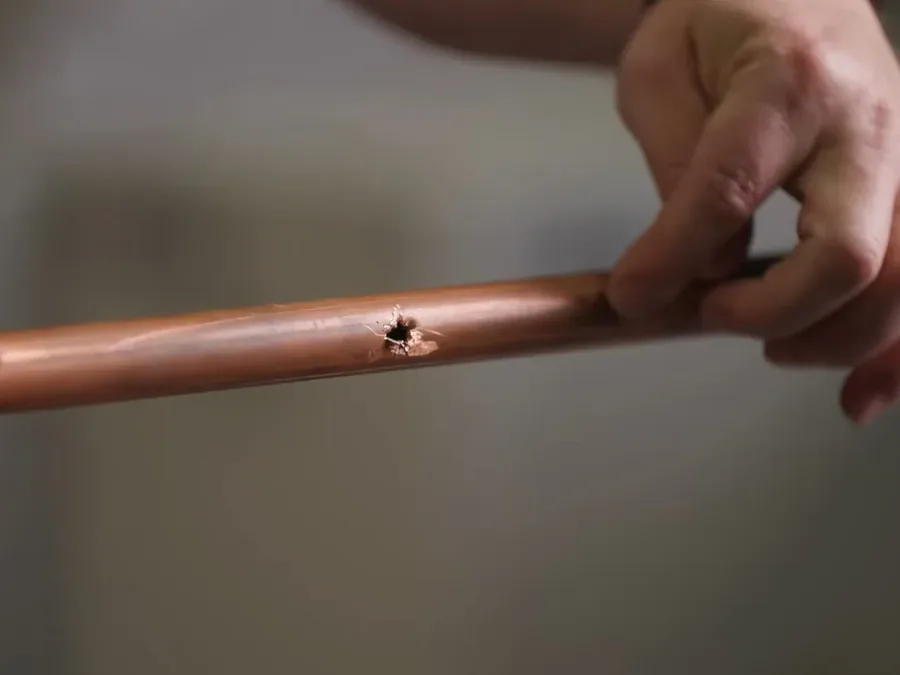
| Pinholes on a copper line | Corrosion from the inside or outside | Repair one spot, then judge the rest of the run |
| A joint dripping at a fitting | Failed solder or loose connection | Remake the joint |
| Brown water and falling pressure | Corroded galvanized steel | Replace the affected branch or the full line |
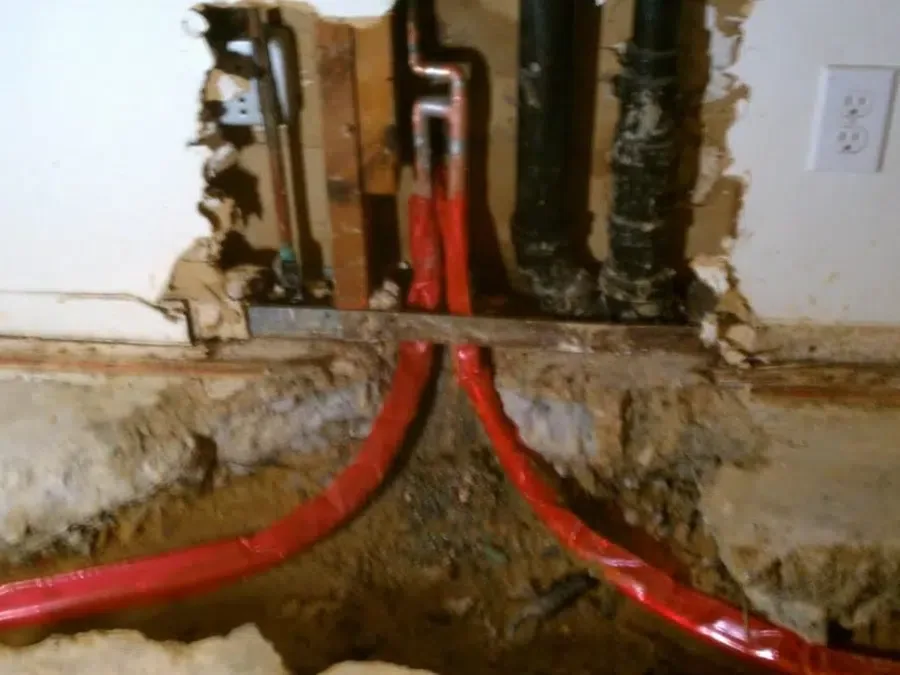
| A wet patch on a slab floor | Leak in a line under concrete | Locate it, then reroute or repair |
Pipes inside walls and under floors can fail where you cannot see them. The leak detection page covers how plumbers find a hidden leak before opening anything.
Pipe just burst?
Close the main valve and phone dispatch. A plumber serving your area will ask where the water is going and what material the pipe is.
Frozen pipes: what to do before they split
Water expands as it freezes, and the pipe walls split under the pressure. The split often sits in a spot that thawed ice hides, so the leak appears only after the pipe warms. Boise's long-record station, the nearest one with published NOAA normals, averages about 25 days in December and 26 in January with a low at or below 32 F, and 20 in February. That is a long stretch for exposed lines in garages, crawl spaces, exterior walls and outdoor spigots.
Where Meridian's cold hits
The days-below-freezing counts come from Boise, not Meridian, but the two sit in the same valley. Pipes on an outside wall, in an unheated garage or on an exterior hose bib are the usual victims. Letting a faucet drip on the coldest nights keeps water moving in a vulnerable line.
- Open the cabinet doors under sinks on exterior walls so room heat reaches the pipes.
- Disconnect hoses and shut off the supply to outdoor spigots before the first hard freeze.
- Leave the heat set no lower than the mid-50s when away.
- Insulate pipes in the garage, attic and crawl space.
- Know where the main shutoff is and that it turns.
Thaw a frozen pipe with a hair dryer or warm towels, working from the faucet side toward the frozen section. Never use an open flame, a torch or a heat gun, which can ignite framing or damage the pipe.
A pipe that has frozen and held may still be damaged. Turn the water back on slowly and walk the house for drips before you leave.
Whole-house repiping with copper or PEX
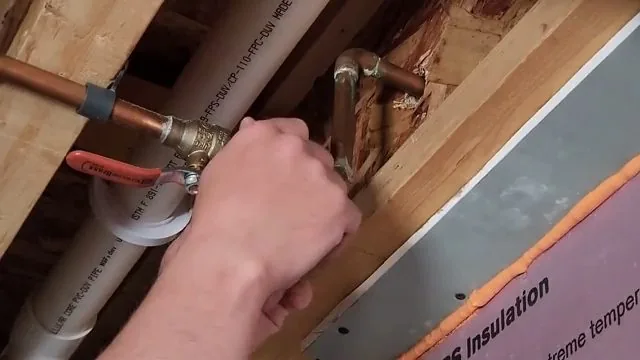
Repiping replaces the supply lines through the house instead of patching them one failure at a time. It is considered when pinholes keep appearing, when galvanized steel has narrowed and pressure is poor, or when a past failure revealed pipe in similar condition. Copper is the long-standing metal choice and resists many chemicals. PEX is flexible plastic tubing, quicker to run through framing and tolerant of some freezing.
Housing age shapes the conversation
Estimates built on Census data put the large majority of Meridian's housing units in houses built from 1990 onward, with only a small number from before 1980. That suggests many homes have newer plumbing, but it does not say what pipe is in yours. Confirm what you have in your own house before assuming anything about it.
- Walk the house and note where pipes are exposed and where they run through walls.
- Identify the material and where it enters the house.
- Decide between a full repipe and replacing the failing branch.
- Confirm access: attic, crawl space or slab.
- Book the permit and schedule water shutoffs to fit the household.
Meridian lists a permit type, R-PLMEX, for residential existing-home work such as repiping. Digging outdoors adds a call to Idaho 811 at least two business days ahead, which a plumber handles for a trench but you should know about for a hose-bib or sprinkler project of your own.
Thinking about a repipe?
Call and describe the pipe problems you have had. A plumber serving your area can tell you whether it sounds like a repair or a repipe.
Under-slab lines, polybutylene and other pipes plumbers see
Not every pipe problem is in the walls. Some lines run under the slab, and those are reached by tunneling, rerouting overhead or lining where it applies. Polybutylene, a gray plastic pipe used in some houses decades ago, is a candidate for replacement because its fittings were prone to failure. Cast iron, PVC and CPVC each have their own repair methods, and the right joint depends on the material.
The point of the visit is to match the fix to the pipe, not to push one method. A plumber who names the material, shows you the failed section and explains the options is giving you what you need to decide. The slab leak page goes deeper on lines under concrete.
Pipe repair and repiping questions, answered
How can I tell whether my house has galvanized pipes?
Galvanized steel is gray, threaded and magnetic. Scratch the surface lightly with a key: a silver-gray color and a magnet that sticks point to galvanized, while a copper color means copper and a plastic look means PEX or CPVC. Look where the pipes enter the house, near the water heater and under sinks. Brown streaks, low pressure and rust-colored water from older steel are the usual warning signs.
What is the pipe sticking out of my roof?
That is the plumbing vent stack. It lets sewer gas escape and lets air into the drain system so water drains smoothly. It is not an exhaust for the water heater, which has its own flue. A vent that is blocked by debris or ice can make drains gurgle and slow down, and a plumber can check it as part of a drain or pipe visit.
Who do I call for a frozen pipe or a pipe that has already burst?
Call a plumber. Shut off the water at the main valve first if you can reach it, open a faucet to relieve pressure, and keep the heat on in the house. Do not use an open flame to thaw a pipe. If water is already flowing through ceilings or walls, the plumber can stop the leak and tell you what needs repair.
What should I do the moment a pipe bursts?
Shut off the water at the main, switch off the power to any wet area if it is safe to reach the panel, and move belongings out of the path. Open a low faucet to drain the lines. Photograph the damage for your records and phone dispatch. Keep a bucket or towels under dripping spots so the flow does not travel.
Can pipes be relined instead of replaced?
In some cases. Trenchless lining coats the inside of an existing pipe with a resin that hardens into a new inner pipe, and it is mostly used on drain and sewer lines. For pressurized water supply lines, repiping or targeted replacement is more common. A plumber can look at the pipe's material, condition and access before offering a method.
Pipes failing? Call now
Phone dispatch to stop the water and plan the repair with a plumber serving your area.
- Licensed and insured plumbers
- Same-day service when available
- 24/7 emergency dispatch