
24/7 Emergency Line Open
Slab Leak Emergency in Your Meridian Home? What to Check and How It Gets Fixed
(208) 285-8836Confirm the foundation, locate the leak, then choose the least disruptive repair.
- Licensed and insured plumbers
- Same-day service when available
- 24/7 emergency dispatch
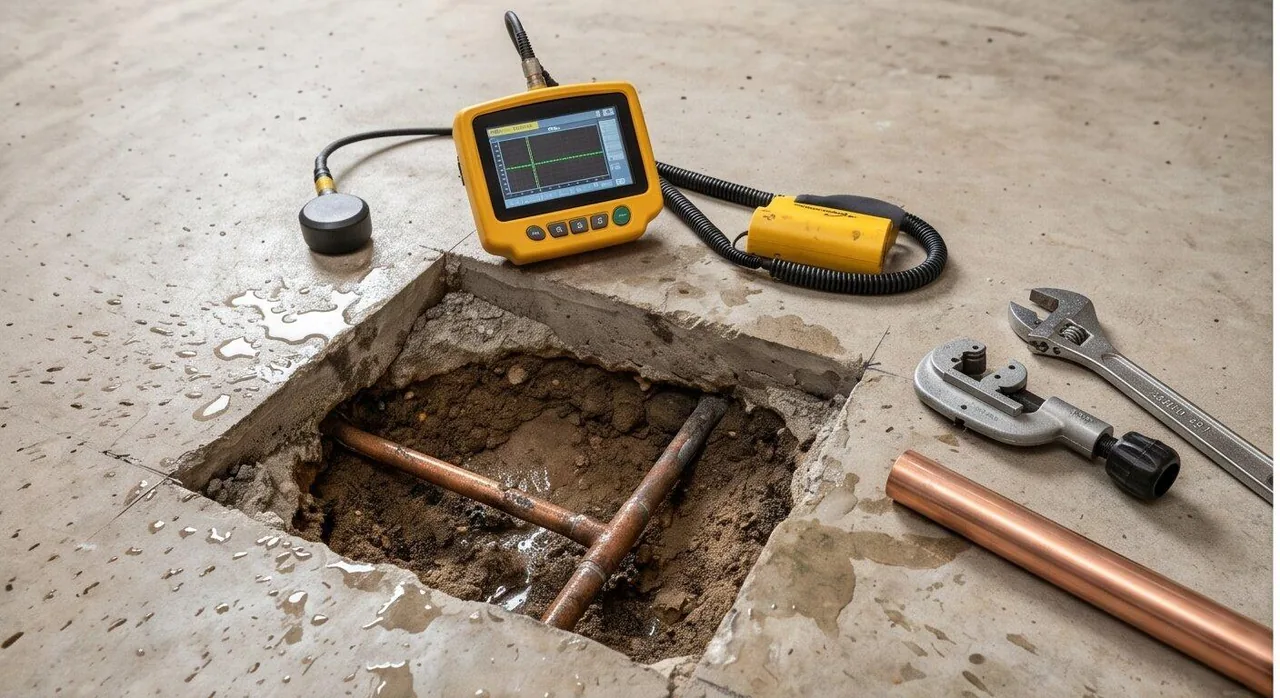
Most homeowners assume a slab leak means a jackhammer in the living room. Sometimes it does, but often the work is smaller, and in some homes the leak turns out not to be under a slab at all. The honest first step is to confirm what is under your floor, then find the leak, then pick a repair that fits the house.
If the floor is warm, the meter is spinning or water is showing up at the surface, shut off the main valve and call the number above. A plumber can start sorting out the cause on the phone while you protect the floor.
Warm floors, hissing and a moving meter: finding a slab leak
A pipe leaking under pressure beneath concrete rarely announces itself the way a burst pipe does. The signs are quiet and easy to explain away, which is why a leak can run for weeks before anyone connects them. The table pairs the signs with what each can mean and what the plumber checks, because the same symptom can have more than one source.
| What you notice | What it can mean | What the plumber checks |
|---|---|---|
| A warm or hot patch on the floor | A hot water line leaking under the concrete | Surface temperature scan, then isolating the hot line at the water heater |
| A hiss or running water sound with every fixture off | A pressurized line leaking beneath or beside the slab | Acoustic listening at several points along the floor |
| The meter moves with all fixtures off | A leak somewhere after the meter, in the slab or elsewhere | Meter test, then closing off sections to narrow the search |
| Damp flooring or a musty smell along one wall | Water rising from below, or from a drain, roof or outside source | Moisture mapping and a check of the other possible sources |
| Low pressure or slow hot water | A hot line losing flow before it reaches the fixtures | Pressure test of each line at working pressure |
Once the pipe is traced to a spot, the plumber marks the floor so the repair opens as little concrete as the leak allows.
Tunnel, reroute or epoxy: how a slab leak is repaired
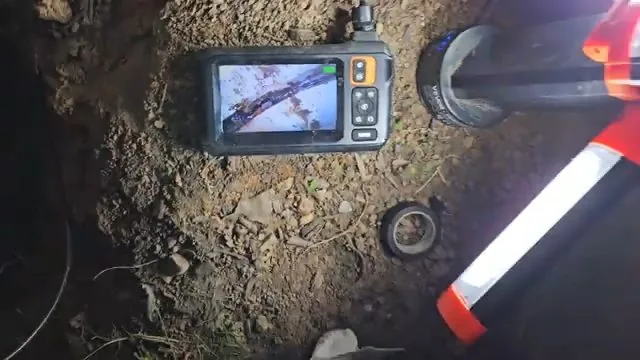
There are three common ways to deal with a confirmed leak, and the right one depends on where the pipe runs, how many leaks it has and how the house is built.
- Spot repair through the floor. The plumber cuts a small opening in the concrete directly above the leak, replaces the damaged section and patches the slab. It suits a single leak in an easy spot.
- Reroute the line. The failed line is capped and a new one is run through walls or overhead to the same fixtures. It avoids the concrete altogether and often makes sense when the pipe has more than one weak spot.
- Epoxy or lining. A coating is applied inside the pipe to seal pinholes without opening the floor. It works only where the pipe is otherwise sound and accessible from the ends.
Ask the plumber which option fits your house and why, how much of the floor covering will be disturbed, and whether the repair needs a permit. If you plan to file a homeowner claim, ask for a written description of where the leak was and what caused it, since the insurer will want one.
Hot spot on the floor?
Phone dispatch and describe where the floor feels warm and whether the meter is moving.
Is the floor really a slab, and what does concrete change?
Slab leak is a label people use for any leak that seems to come from the floor, but the label only fits if the house sits on a concrete slab. A home might instead sit over a crawl space or a basement, and no reliable foundation figure exists for Meridian as a whole. So confirm what you have first. A crawl space has an access hatch. A basement has stairs. A slab house has neither, and you can often see the concrete edge around the outside of the walls. An inspection report or the original plans will settle it.
Hard ground can slow the dig
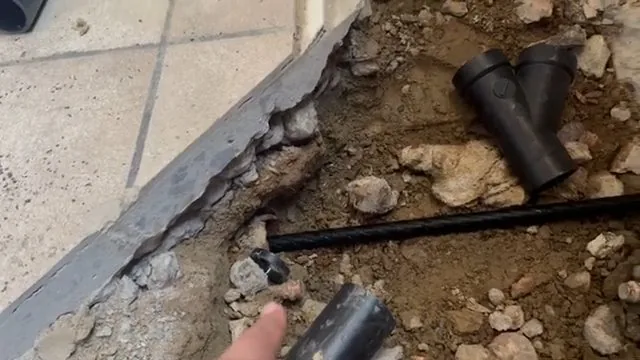
Research on southwestern Idaho soils documents caliche, a cemented layer that forms in the ground. Engineering references describe caliche as erratic in thickness, hardness and extent, and say removing it brings expense and delay. Where a repair needs digging beside or under a slab, a cemented layer can lengthen the job and sometimes tips the choice toward rerouting the line.
If your floor is not a slab, the same symptoms point to a different plan, and the leak finding page covers pipes above and below wood floors.
What to do while you wait
- Shut off the main water valve and open the lowest tap to relieve pressure.
- Stay off a warm patch of floor, because a hot water leak can scald through a thin covering.
- Lift rugs and move furniture off the damp area, then photograph it.
- Keep electrical cords and power strips off a wet floor.
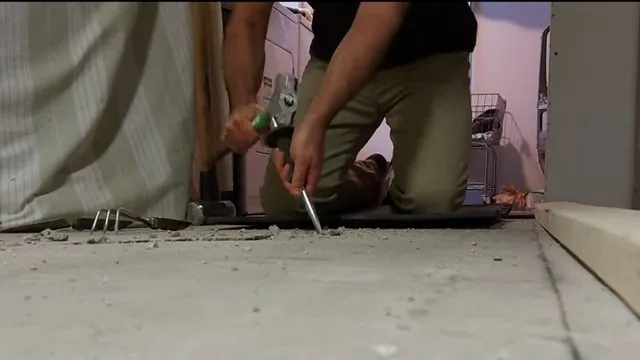
Do not drill, saw or hammer into a slab to chase a leak. Pipes, gas lines and electrical conduit can all run under the same concrete, and the plumber needs to know where they are first.
If water has reached carpet or the base of the walls, the drying and cleanup service handles that part while the plumber fixes the line.
A slab leak will not heal itself
The earlier the line is isolated, the less water reaches the floor and the framing. Call day or night.
Slab leak questions, answered
What does a slab leak look like from inside the house?
Most people notice it as a floor that is warm underfoot in one spot, a sound of running water when nothing is on, or flooring that lifts or stains along one stretch. Sometimes the first clue is a water bill that climbs with no change in habits. None of these proves the leak is under concrete, so a plumber confirms the location before anything is opened.
Do I need a plumber for a slab leak, or can I try to fix it myself?
A plumber is needed. The pipe is buried, the leak is under pressure, and finding it takes listening or thermal equipment that homeowners do not own. Digging or drilling without knowing where the lines run risks hitting a second pipe, a gas line or electrical conduit. What you can do is shut off the water, protect the floor and write down what you observed.
How do I know if the problem is a slab leak or something else?
Start by ruling out the obvious. Check fixtures for drips, look at the water heater and its connections, and see whether the meter still moves with every tap closed. If the meter moves and nothing visible is leaking, the loss is in a hidden line. A warm floor patch points to the hot line, while a damp patch near a wall can also come from a drain, a roof or an outside source.
Ready to start?
Give dispatch the address and what you have noticed, and a plumber serving your area takes it from there.
- Licensed and insured plumbers
- Same-day service when available
- 24/7 emergency dispatch