24/7 Emergency Line Open
Water Softener, Filter and Reverse Osmosis Service in Meridian, ID
(208) 285-8836Deal with scale and taste at the source, and keep the system running.
- Licensed and insured plumbers
- Same-day service when available
- 24/7 emergency dispatch
Many people assume a water softener cleans their water. It does not. A softener targets hardness, the dissolved calcium and magnesium that leave scale on fixtures and inside heaters. Taste, odor and contaminants are a different job, handled by filters and reverse osmosis. Knowing which problem you have saves money and avoids the wrong equipment.
If you are not sure which one you need, note the symptoms: crusty fixtures point to hardness, and a chlorine taste or smell points to filtration.
Hard water in Meridian: what the city reports and how to test your own
Hardness in Meridian water averages 7 grains per gallon by the city's own figure. The 2021 water quality report breaks that out by service zone, with readings that run past 9 in some of them. Where your house sits among those zones changes the number, and a test at your own tap gives the figure that applies to you.
Numbers that conflict deserve a test
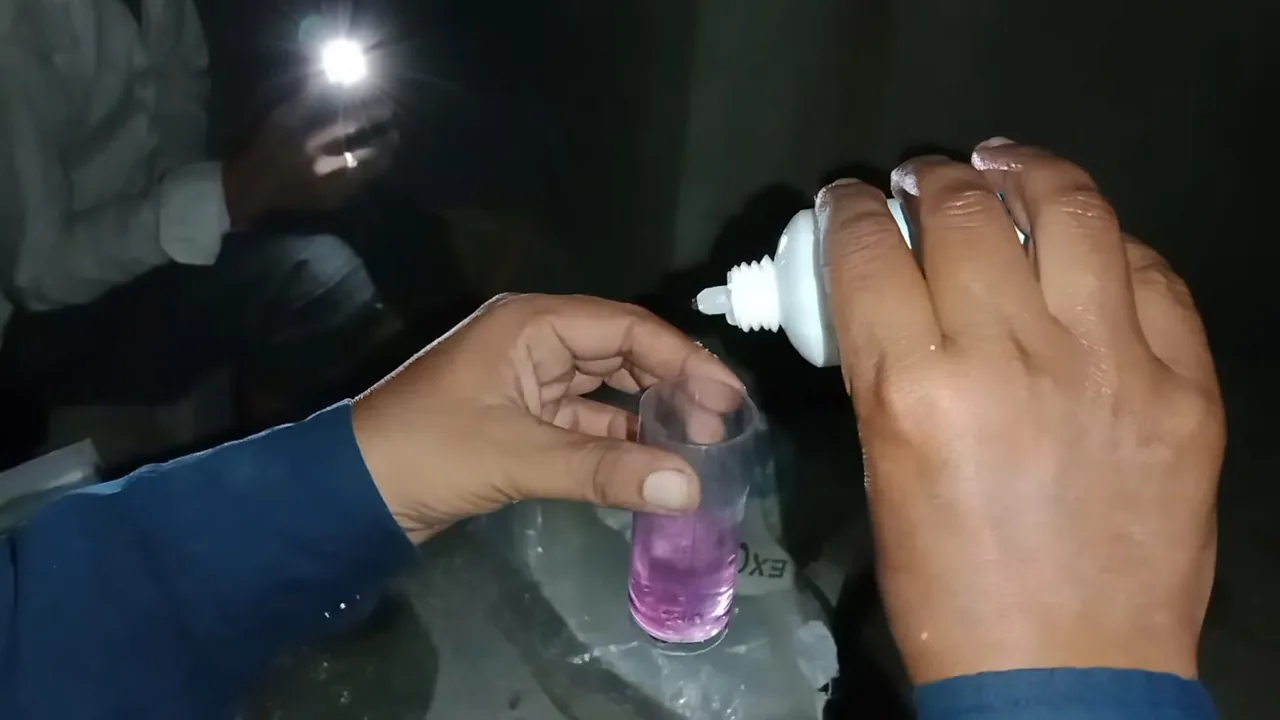
Online sources quote very different hardness values for Meridian, some well above the city's figures. A drop-count test kit is simple to use and takes a few minutes. The city's report is the starting point, and a reading from your tap tells you which one your house is closer to.
- White or chalky crust around faucet bases and shower heads.
- Spots left on dishes and glassware after the dishwasher.
- Soap and shampoo that rinse poorly or leave a film.
- Scale on kettle elements and inside the water heater.
- Dry-feeling skin and stiff laundry after washing.
Scale on everything?
Describe the symptoms to dispatch. The plumber can say whether a softener, a filter or both fit.
Water softener installation: what goes in and where it connects
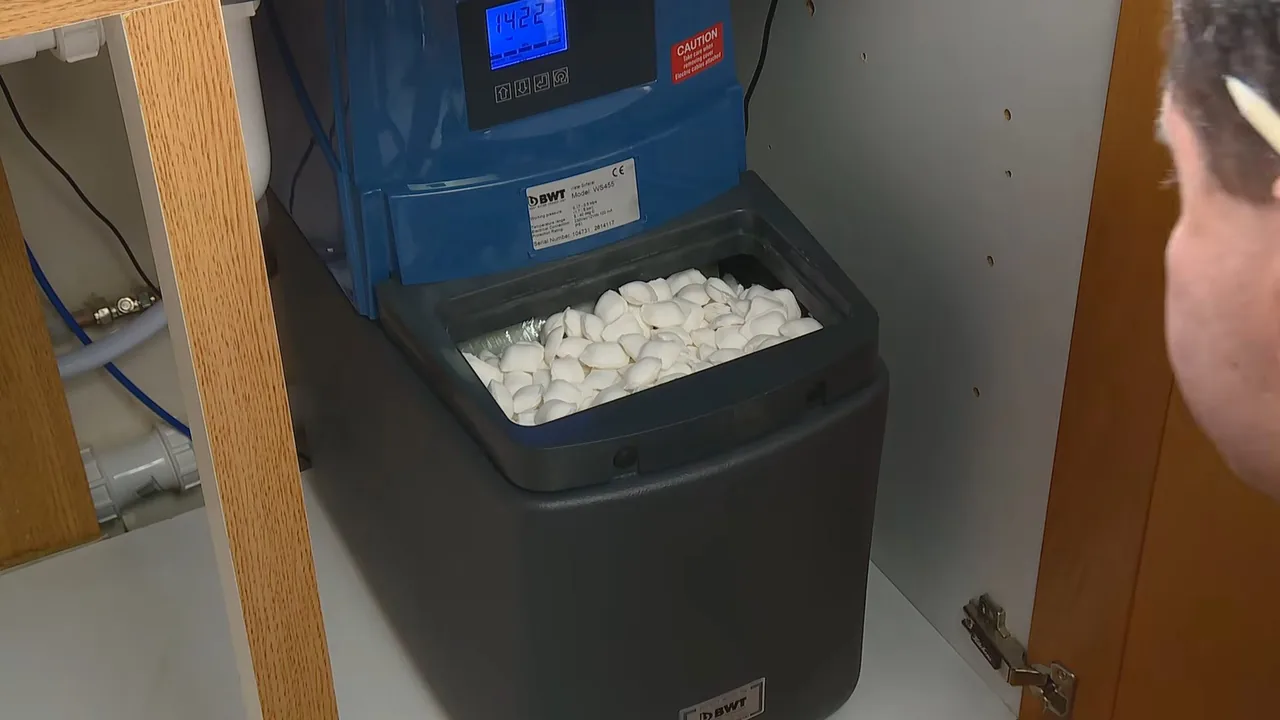
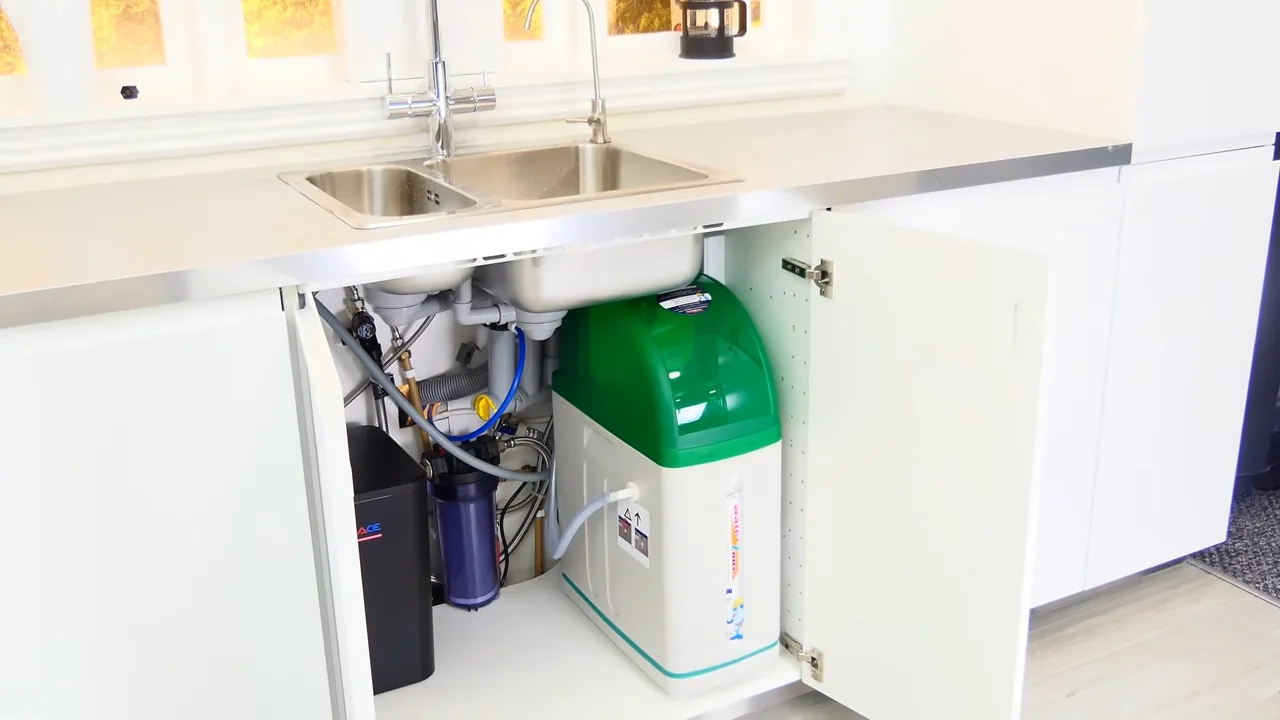
A softener is installed on the main water line after the shutoff and before the water heater, so every hot and cold tap downstream gets treated water. It needs space for the resin tank and a brine tank, access to power and a drain for the regeneration cycle. Most households leave a hose bib or two on untreated water so lawn and garden use does not waste salt.
- Choose the spot on the main line, usually near the water heater.
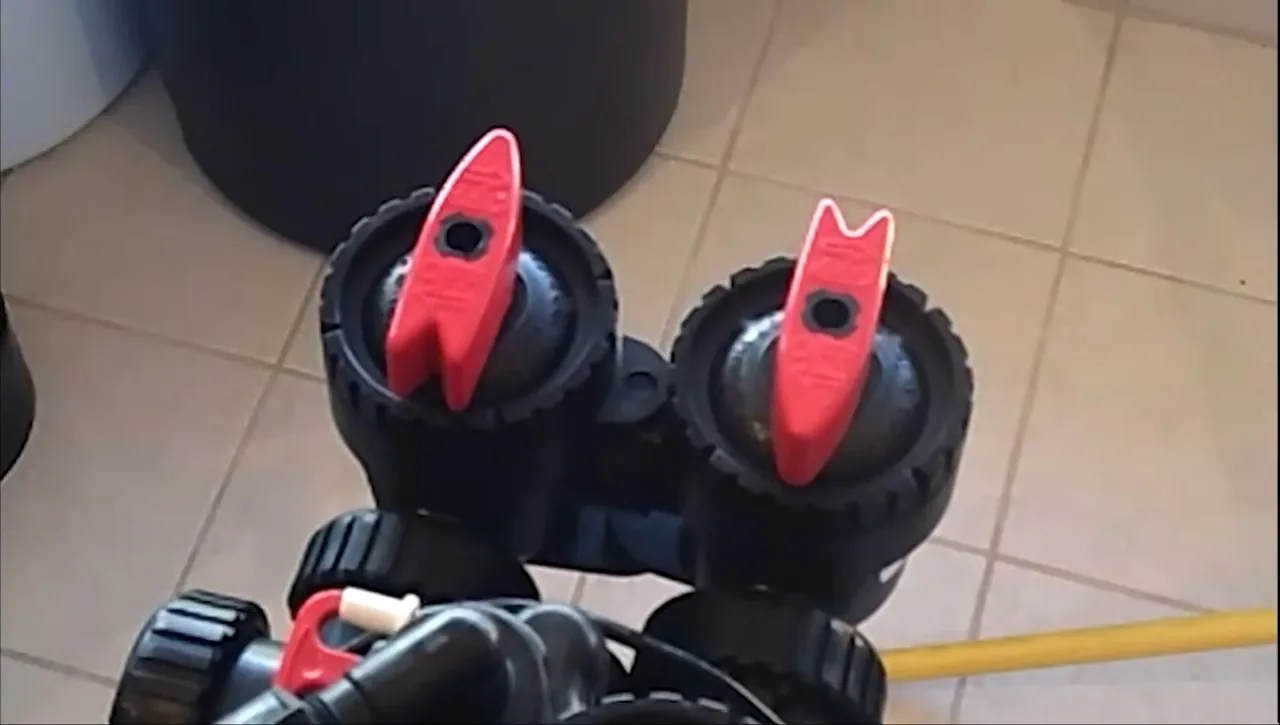
- Install a bypass valve so the unit can be isolated for service.
- Run the drain line to an approved receptor with an air gap.
- Connect power and set hardness and regeneration settings.
- Fill the brine tank and run a first regeneration.
Meridian has a permit type for softeners
Permit type C-WS covers water softeners on the plumbing list. Ask the plumber who will pull it. No source for local rules on where the regeneration water may drain was found, so the plumber should confirm the connection with the city before it is made.
Softened water and scale also relate to heaters. The tankless page explains why mineral build-up matters for wall-hung units.
Softener repair, maintenance and brine tank problems
Softeners fail quietly. A unit that has stopped regenerating, a control head that has lost its settings or a brine tank crusted with a salt bridge all let hard water back into the house. The symptoms return: scale, spots and soap that will not lather.
| Symptom | Likely cause | Check |
|---|---|---|
| Hard water returns | No regeneration or empty brine tank | Salt level, power, bypass position |
| Salt looks full but no brine | Salt bridge or mush at the tank bottom | Break up the crust and clean the tank |
| Constant running of water to the drain | Stuck valve or control fault | Call a plumber |
| Reduced flow | Resin fouled with iron or sediment | Inspect and service the tank |
Keep the brine tank lid closed and out of reach of children and pets, and never lift the lid with wet hands near the power cord. Put the unit on bypass before any work on its valve or plumbing.
Salt use, resin age and settings all affect how well a softener runs. Servicing includes checking the settings against the water's hardness, cleaning the brine tank and testing the output.
Softener not softening?
Tell dispatch what the unit is doing. The plumber can say whether it needs settings, salt or a repair.
Drinking water: under-sink filters and reverse osmosis
Under-sink filters polish the water at one tap. A carbon filter reduces chlorine taste and odor, and a reverse osmosis unit forces water through a fine membrane to remove dissolved solids. RO systems add a storage tank, a small faucet and a drain connection under the sink, and their filters and membrane need replacement on a schedule.
| Concern | Common answer |
|---|---|
| Chlorine taste or odor | Carbon filter at the kitchen tap |
| Dissolved solids, taste | Reverse osmosis at one tap |
| Ice maker and refrigerator | Inline filter on the supply line |
| Scale everywhere | Softener on the main line |
| Sediment and particles | Whole-house sediment filter |
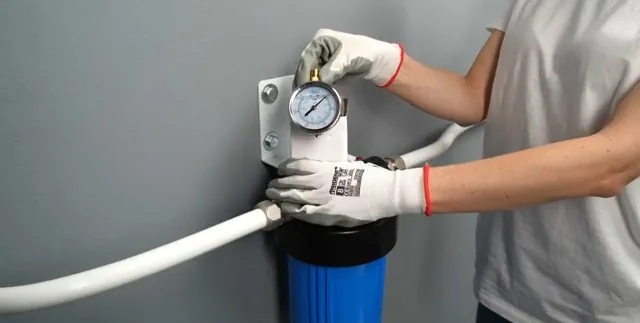
Water filtration systems in Meridian homes range from one-tap units to whole-house filtration, which sits on the main line like a softener and treats every tap. It is chosen for sediment, chlorine or specific contaminants identified by a water test, and it does not remove hardness unless paired with a softener.
Water treatment questions, answered
What is the difference between a water softener and a water filter?
A softener swaps hardness minerals, mainly calcium and magnesium, for sodium or potassium so scale stops forming. A filter removes particles, chlorine taste, odors or specific contaminants and does nothing for hardness. Many households use both: a softener on the main line and a filter or reverse osmosis unit at one tap for drinking water.
How do I know if I have hard water, and how do I test it?
Common signs are white crust on faucets and shower heads, spots on glassware, soap that will not lather and scale inside kettles and water heaters. A test strip or a drop-count kit at your own tap gives a reading in grains per gallon. Figures quoted online differ by source, so the city's published numbers and a test of your own water are the useful ones.
Does a softener or filter system need a backflow test?
Backflow preventers protect the public water supply from contamination and are tested separately, mostly on irrigation systems and commercial buildings. A home softener is not a backflow device, though some plumbing codes require an air gap or check valve where it connects to a drain or supply. A plumber can say whether anything on your system needs testing.
Something fell into my softener's brine tank. What should I do?
Do not reach in with your hand, and turn the unit to bypass if you can. Salt and brine hide objects, and a sharp item can hurt. A plumber can pump or scoop out the brine, retrieve the object and check that it did not reach the brine well or the valve. Leave the softener alone until it has been looked at.
Better water for the whole house
Reach dispatch and a plumber serving your area can help you pick, install and service a softener or filter.
- Licensed and insured plumbers
- Same-day service when available
- 24/7 emergency dispatch